

Winter travel doesn’t mean you have to join packed tourist crowds or leave a heavy carbon footprint behind. More travellers now seek trips that respect nature while offering authentic experiences away from busy hotspots. This shift in how people travel indicates that we are increasingly concerned about where we go and the impact of our visits on local communities and the planet.
Think about the usual winter destinations. Ski resorts overflow with visitors, beach towns get crowded, and popular cities struggle with too many tourists. Destinations like Paris, Rome, and Barcelona typically see fewer tourists during the winter months, but many traditional winter spots still attract massive crowds. The good news? You can find incredible winter escapes that combine adventure, comfort, and environmental care without the tourist crush.
Eco-friendly destinations stand out not just for their scenic beauty, but also for their clear commitments to conservation, renewable energy, and community benefits. These places protect wildlife, utilise building practices, and support local jobs, all while offering unforgettable experiences. When you pick sustainable winter destinations, you get more than just a vacation. You become part of something bigger.
What makes a place truly eco-friendly? Concrete initiatives include the use of renewable energy, waste reduction programs, community benefit projects, conservation efforts, and sustainable transportation options. The best sustainable destinations demonstrate their commitment to sustainability through certifications and transparent policies regarding their environmental impact.
Can you still enjoy luxury while travelling sustainably? Yes. Many destinations now offer boutique luxury with sustainable design and high comfort standards. You don’t have to sacrifice comfort to make responsible choices. The winter escapes we’ll cover provide you with both quality experiences and peace of mind regarding your environmental impact.
Why Choose Eco-Friendly Winter Travel
The Environmental Cost of Traditional Winter Tourism
Traditional winter tourism has a significant impact on our planet. Ski resorts consume massive amounts of energy for snowmaking and lift operations. Popular beach destinations struggle with waste from temporary visitors. Traditional winter tourism comes with excessive energy consumption and disruptions to fragile ecosystems. Hotels in peak tourist areas often waste water and generate massive amounts of garbage that local communities must manage.
The travel industry accounts for approximately 8% of global carbon emissions. When you add up flights, ground transport, accommodations, and tourist activities, the numbers add up fast. Winter destinations face additional challenges due to the increased demands for heating, snow management, and extended lighting, which further push energy use higher.
But here’s the thing: you don’t have to give up winter travel. You need to choose smarter. When you travel sustainably, you help preserve wildlife, forests, marine life, and cultural heritage for future generations. Your choices matter more than you might think.
Benefits of Sustainable Winter Destinations
Sustainable winter destinations give back more than they take. Eco-tour prioritises local jobs, community-led initiatives, and fair-trade practices that foster inclusive growth. When you stay at an eco-lodge, your money goes straight to local families instead of international hotel chains. You eat food grown nearby. You hire guides who know the land because they grew up there.
The experience feels different, too. Eco-travel leads to more profound experiences through meeting local guides, staying in heritage-based lodges, and walking instead of driving. You slow down. You notice things. You connect with places in ways that rushed, crowded tours never allow.
Sustainable destinations also protect the natural beauty that drew you there in the first place. They set limits on visitor numbers. They create protected zones for wildlife. They restore damaged ecosystems. This means you see these places at their best, and your children might see them too.
What Makes a Destination Truly Sustainable
Not every place that claims to be “eco-friendly” actually is. You need to look deeper. Real sustainable destinations have clear, measurable goals. Look for third-party certifications, such as Green Key or EarthCheck, clear eco-policies, and transparency regarding environmental impact. These certifications indicate that outside experts have verified the claims.
Sustainable destinations also involve local communities in the decision-making process. They don’t just hire locals for low-wage jobs. They train people for leadership roles. They protect cultural sites. They share profits with communities that host tourists.
Watch for concrete actions, not just nice words. Does the destination use solar panels or wind power? Do they have water recycling systems? Can you see their waste management plan? Do they limit visitor numbers to protect sensitive areas? Destinations like Yellowstone exemplify eco-conscious stewardship by harnessing geothermal energy and championing wildlife conservation. These specific measures separate real sustainability from greenwashing.
Oulu, Finland: Arctic Adventures with Zero Guilt
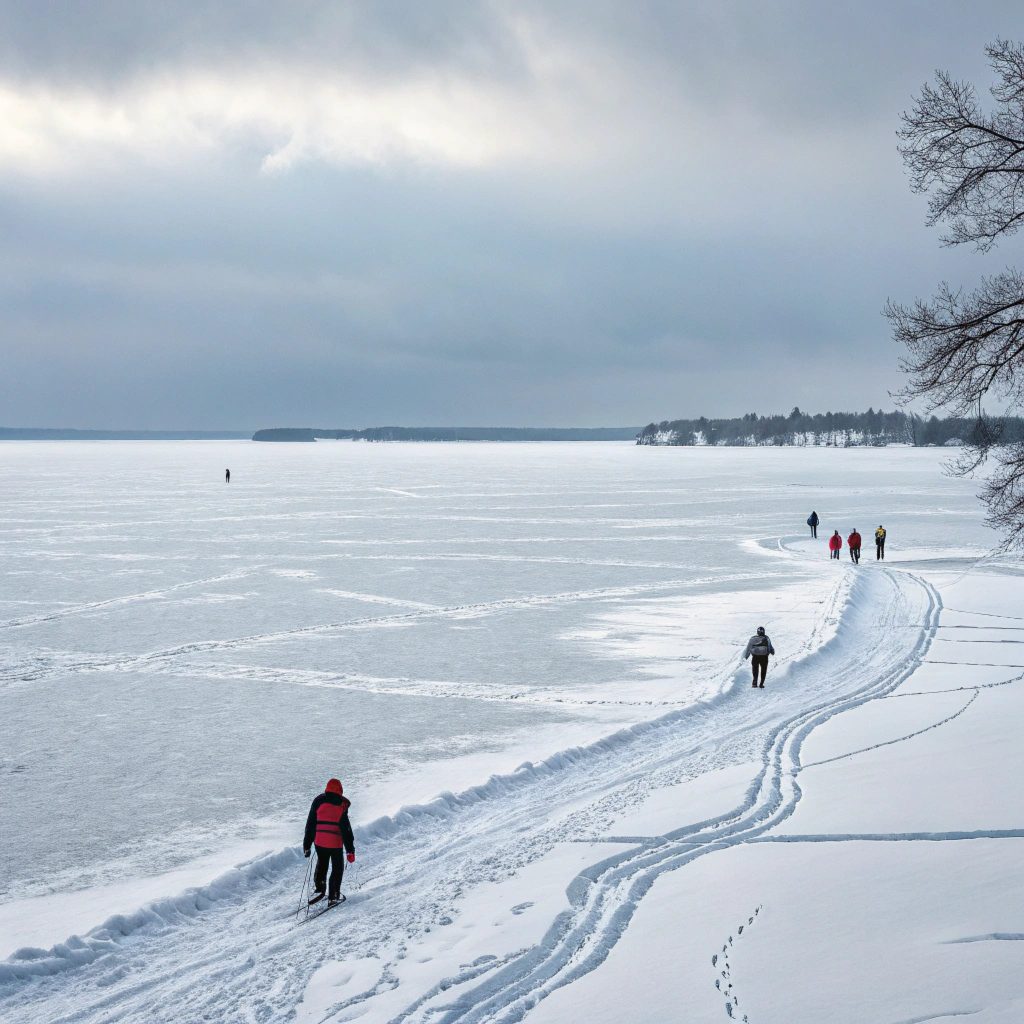
Winter Wonderland Activities
Oulu becomes a 2026 European Capital of Culture, showcasing a unique northern lifestyle and creativity. This Finnish city on the Oulujoki River gives you everything you want from an Arctic winter without the environmental damage of more famous destinations. The city strikes a balance between modern urban life and easy access to pristine wilderness.
Winter in Oulu brings frozen-sea adventures where travellers can ski, snowshoe, and search for the Northern Lights. You can walk or ski directly on the frozen Baltic Sea. The experience feels surreal—standing on solid ice where waves rolled just months before. Local guides know the best spots for aurora viewing, away from any light pollution.
The city itself offers cultural depth you won’t find in typical winter resorts. Museums showcase Sami culture and Arctic history. The Northern Ostrobothnia Museum helps visitors learn about local culture while staying warm and dry. You can warm up with traditional Finnish sauna sessions, then jump through a hole cut in the ice for the ultimate Nordic experience.
Sustainable Practices That Set Oulu Apart
Oulu takes sustainability seriously. It utilises renewable energy for most of its public buildings. They’ve built extensive bike paths that stay clear even in winter—yes, Finns bike through snow. Public transport runs on biofuel and electricity. Hotels compete to reduce their carbon footprint, with many achieving carbon-neutral status.
The tourism board limits visitor numbers in sensitive natural areas. They’ve created education programs that teach tourists about Arctic ecosystems before they visit. This means you understand why it’s essential to stay on marked trails and why you should avoid disturbing wildlife. Local restaurants focus on seasonal, locally sourced food. Think reindeer, Arctic char, and berries preserved from summer.
The city’s Capital of Culture year features art installations and performances throughout the winter, all of which are planned with environmental impact in mind. They use existing buildings instead of constructing new venues. They power outdoor events with renewable energy. Transportation prioritises walking, biking, and electric buses.
Getting There and Staying Green
Flying is often the most significant carbon cost of any trip. Oulu Airport offers direct flights from several European cities, although you may need to connect through Helsinki. Consider taking trains when possible—Finland’s rail network connects well, and the journey through snowy landscapes becomes part of the adventure.
Once you arrive, ditch the rental car. Oulu’s compact city centre is easily navigable on foot or by bike. Many hotels offer free bike rentals year-round, complete with studded winter tyres. The city’s flat terrain makes cycling easy even for casual riders.
For accommodations, look for hotels with Nordic Swan Ecolabel or EU Ecolabel certifications. Several Oulu hotels meet these standards, meaning they’ve cut energy use, reduced water waste, and eliminated harmful chemicals. Many offer locally made organic breakfast with minimal packaging.
Yamagata, Japan: Snowy Peaks and Cultural Depth
Beyond the Tourist Trail
Most winter travellers heading to Japan crowd into Hokkaido’s famous ski resorts. Yamagata receives less attention but offers spectacular snowfall and unique experiences. This region in northeastern Honshu combines world-class skiing with deep cultural traditions and natural wonders you’ll find nowhere else.
Mount Gassan receives so much snowfall that the ski season lasts until early summer. You can ski in June while cherry blossoms bloom in the valleys below—talk about a mind-bending experience. The snow quality rivals that of Hokkaido, but lift lines remain reasonable because fewer tourists are aware of it.
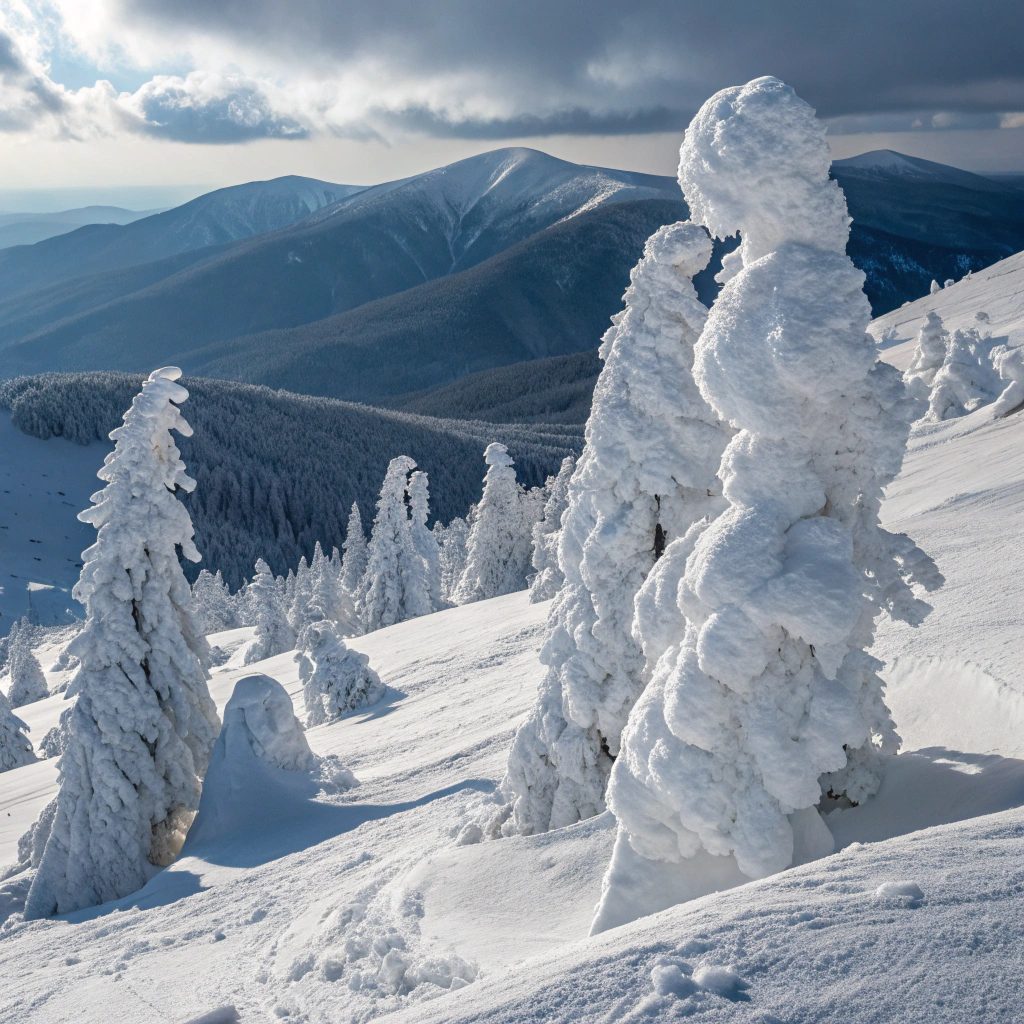
The region’s most famous sight might be the juhyo, or “snow monsters.” These are trees completely covered in ice and snow, creating alien-looking sculptures across the mountains. Mount Zao’s juhyo (snow monsters) offer a winter wonderland adventure. You can ski past them or take special evening tours when they’re lit up, creating an otherworldly scene.
Spiritual and Natural Experiences
In the mountains of Dewa Sanzan, travellers can join yamabushi mountain monks for waterfall meditations and mindfulness hikes. These Buddhist monks have lived in these mountains for centuries. They welcome respectful visitors to share their practices, which centre on the connection between humans and nature. It’s not a tourist show—it’s a real spiritual practice.
Lake Shirakawa in Yamagata’s south gets submerged by snowmelt between late March and late May. Guided canoe tours weave through willows with views of snowcapped Mount Iide in the distance. The flooded forest creates a magical landscape where trees rise from crystal-clear water. Fish swim between trunks. It’s like paddling through a dream.
Winter festivals bring local traditions to life. In February, more than a thousand lamps and lanterns made of snow decorate the Uesugi Shrine in Yonezawa. In early August, thousands of dancers wearing colourful kimonos and waving hats adorned with orange safflowers take to the streets for the Yamagata Hanagasa Festival. While this summer festival falls outside the winter travel season, the winter snow festivals offer equally captivating cultural experiences.
Eco-Conscious Travel in Yamagata
Hokkaido boasts an extensive network of eco-certified ski resorts that emphasise energy efficiency and promote local cuisine and culture. Yamagata’s resorts follow similar principles. They use geothermal energy where available, recycle snowmelt for summer irrigation, and source food from regional farms.
Japan’s tourism board encourages visitors to explore beyond the commercialised regions through initiatives such as free domestic flights. This program helps distribute tourism more evenly across the country, reducing pressure on overcrowded destinations. The initiative supports sustainable tourism development by encouraging deeper engagement with regional areas.
Local ryokans (traditional inns) in Yamagata often incorporate centuries-old sustainability practices. They heat with natural hot springs. They serve seasonal food from their own farms. They use minimal packaging. They’ve been living sustainably for a long time, long before it became trendy. Staying at a ryokan provides authentic cultural immersion while minimising environmental impact.
Transportation within Yamagata works well by train and local bus. The region’s compact size means you don’t need to rent a car for most activities. When you do need transport to remote areas, look for tour operators that use electric or hybrid vehicles.
The Dolomites, Italy: Olympic Glory Meets Alpine Sustainability
Winter Olympics 2026 and Beyond
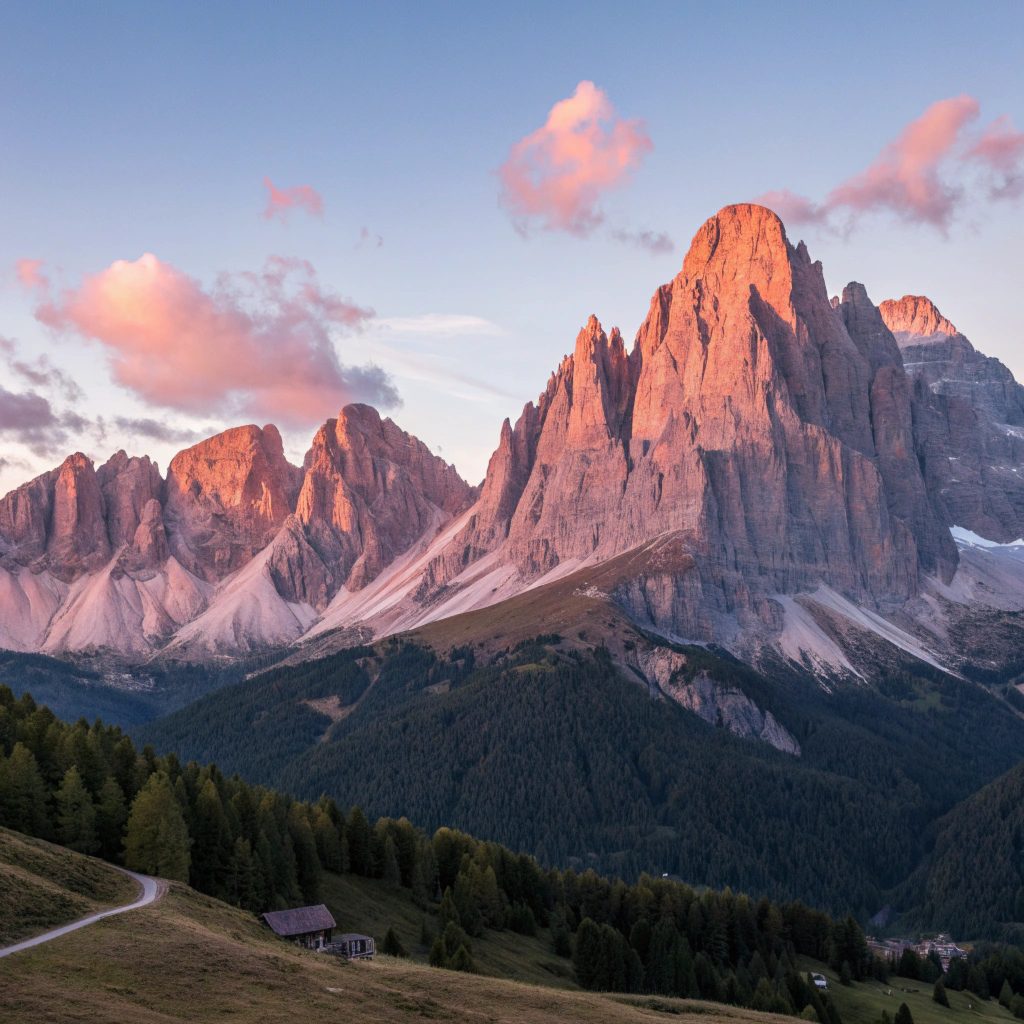
The Dolomites host the 2026 Winter Olympics in February, drawing global attention to this already stunning region. These UNESCO-protected limestone peaks in northeastern Italy offer some of Europe’s most dramatic mountain scenery. The area features Michelin-starred restaurants and luxurious sustainable lodges that cater to high-end tastes while maintaining an eco-conscious approach.
The Olympics bring improvements to infrastructure, as organisers are focused on sustainability from the start. They are utilising existing venues where possible, constructing new ones to high environmental standards, and developing a legacy plan for post-Olympics use. Surrounded by UNESCO-protected peaks, the Dolomites exemplify eco-tourism through a combination of ecological responsibility and luxury.
Sports fans heading to the 2026 Winter Olympics should explore beyond the venues to take in the picturesque scenery, such as Lago di Braies (Lake Braies) in Tyrol. This frozen lake in winter creates mirror-perfect reflections of the surrounding peaks. You can walk across it, ice skate on it, or stand in awe. Even if you skip the Olympics, the infrastructure improvements make the region more accessible than ever.
Skiing, Hiking, and Italian Mountain Culture
Cortina d’Ampezzo is the premier resort town of the Dolomites, where world-class slopes and rugged trails come alive during the Winter Olympics. But the Dolomites offer much more than just downhill skiing. Miles of groomed cross-country trails wind through valleys. Snowshoe routes take you to remote mountain huts where you can warm up with hot chocolate and strudel.
Via ferratas—protected climbing routes with fixed cables, ladders, and bridges—become winter adventures for experienced mountaineers. The dramatic pale rock faces stand out even more starkly against white snow. Sunrise and sunset turn the peaks pink and gold, a phenomenon known as “alpenglow” that draws photographers from around the world to capture.
Italian mountain culture adds flavour you won’t find in other Alpine regions. Mountain refuges serve multi-course meals featuring local specialities—think polenta, speck (cured ham), and cheeses from valley farms—wine bars in ski villages stock bottles from Alto Adige vineyards. The blend of Italian and German-Austrian influences creates unique traditions, food, and architecture.
Sustainable Mountain Tourism
The Dolomites region has worked for decades to strike a balance between tourism and environmental protection. UNESCO World Heritage status brings strict building codes. New construction must use traditional materials and designs. This preserves the region’s character while encouraging modern efficiency.
Many hotels and lodges now generate their own power through solar panels and micro-hydro systems. utilizeilise advanminimizelatiominimizeimise heating requirements. Some have achieved certification under programs like Climate House or LEED. Look for these when booking accommodations.
The region promotes public transport to reduce traffic in mountain valleys. Efficient bus systems connect villages and trailheads. Several valleys ban private car traffic during peak periods, instead running shuttle buses. You can buy multi-day transport passes that cover buses, trains, and cable cars throughout the region.
Local tourism boards actively manage visitor flow to protect fragile alpine ecosystems. Popular trails have capacity limits. Some areas require permits. Rangers educate visitors about staying on paths to prevent soil erosion and plant damage. These measures might seem restrictive, but they ensure the Dolomites stay beautiful for your children to visit.
Norwegian Fjords: Sustainable Cruising Through Ice and Waterfalls

Winter Fjord Experiences
Norway’s fjord region showcases sustainable tourism through green initiatives that welcome travellers. Winter transforms these deep coastal valleys into wonderlands of ice, waterfalls frozen mid-cascade, and snow-draped cliffs that plunge into dark water. The experience feels raw and powerful in ways summer’s gentle beauty can’t match.
Travellers can explore the fjord aboard the eco-friendly Havila Kystrutships, utilising hybrid engines that combine liquefied natural gas (LNG) and battery power. They produce far less pollution than traditional cruise ships. The ships sail the classic Bergen-to-Kirkenes coastal route, stopping at small towns and cities along the way.
Winter gives you different advantages than summer. Fewer tourists mean you often have hiking trails and viewpoints to yourself. Northern Lights dance above the fjords on clear nights. Snow makes the landscapes even more dramatic. Yes, it’s cold and dark, but proper clothing solves the first problem, and the long nights provide more opportunities for viewing the aurora.
You can kayak between ice floes if you’re brave (and properly equipped). Ice climbing on frozen waterfalls attracts adventurous visitors. Snowshoeing takes you into silent forests where you might spot reindeer or Arctic foxes. Winter fjord safaris by boat bring you close to seals and seabirds that are adapted to the harsh conditions.
Green Marine Practices
Norway leads the world in sustainable shipping. The Havila ships use the world’s largest battery packs on passenger vessels. They can cruise silently on electric power through sensitive wildlife areas. When they do run the LNG engines, emissions are significantly lower than those from conventional marine diesel.
The ships treat all wastewater onboard to high standards before any discharge. They have advanced systems for sorting and processing garbage. Food waste is either composted or converted into biogas. Single-use plastics have been eliminated from dining and cabin service.
Shore excursions partner with local operators who follow strict environmental guidelines. Activities should avoid disturbing wildlife during sensitive periods, such as breeding seasons. Tour to minimise impact. Local guides with deep knowledge of ecosystems lead most activities.
Combining Fjords with Other Norwegian Attractions
Norway becomes accessible for winter travellers seeking authentic experiences in a quieter setting. Norway in winter offers glowing skies, cosy evenings by the fire, and peaceful beauty that emerges when most travellers have gone home. The shoulder season gives you a different perspective than the summer crowds.
Bergen makes an excellent base. This charming coastal city has historic wooden buildings, outstanding seafood restaurants, and easy access to nearby fjords. The town itself is walkable. Museums, galleries, and the famous fish market keep you busy between fjord excursions.
You can combine fjord visits with time in Oslo’s world-class museums, cross-country skiing in Lillehammer (site of the 1994 Winter Olympics), or even a side trip to Svalbard if you want real Arctic adventure. Norway’s train system ranks among the most scenic in Europe. The Bergen Railway crosses mountain plateaus with stunning winter views.
Costa Chica, Mexico: Unspoiled Beaches with Purpose

A Different Side of the Mexican Coast
Over 100 miles southwest of Oaxaca’s colonial capital, Costa Chica has remained less travelled and quieter than Mexico’s more popular beach stretches. The small coast, renowned for its world-class surf, boasts spectacular, undeveloped beaches, endemic birds, design-centric hotels, and countercultural enclaves. This is the anti-Cancun—no massive resorts, no spring break crowds, no all-inclusive complexes that wall off local communities.
A new superhighway between Oaxaca City and Puerto Escondido has replaced a treacherous 10-hour bus journey with a comfortable 3.5-hour drive. This improved access makes sustainable travel easier. You can reach these unspoiled beaches without the carbon cost of flying to remote locations.
Winter brings the best conditions. In early 2026, Puerto Escondido will become one of 14 World Surfing Reserves, a designation given by the World Surfing Reserves conservation initiative to protect storied beaches. Recognises both the surf quality and the community’s commitment to protecting the coastline.
Community-Based Eco-Tourism
Costa Chica’s sustainable tourism centres on local ownership and control. Family-run hotels and restaurants employ residents at fair wages. Surf schools are owned by local surfers who grew up riding these waves. They also organise whale-watching tours (in winter, humpback whales migrate through) and sea turtle conservation programs.
Zipolite offers a queer-friendly, clothing-optional community setting, while nearby villages maintain traditional Mexican culture. This diversity provides you options—party beach, quiet nature retreat, cultural immersion, or a combination of all three.
Small-scale hotels along this coast lead in sustainable design. They use solar power, rainwater collection, and natural ventilation instead of air conditioning. They build with local materials, including bamboo, reclaimed wood, and palm fronds. They employ local craftspeople, preserving traditional building skills. Many have organic gardens supplying their restaurants.
The region’s food culture is closely tied to sustainability. You eat fish caught that morning by local fishermen using sustainable methods. Vegetables come from nearby farms. Oaxacan cuisine—famous throughout Mexico for its complexity and flavour—reaches another level when ingredients travel mere miles from farm to table.
Activities Beyond the Beach
While beaches are the main draw, Costa Chica offers surprising diversity. Lagoons behind the coast host hundreds of bird species. Guided kayak tours navigate mangrove channels where you might spot crocodiles, herons, and egrets. Local guides know where rare endemic species nest and feed.
Nearby mountains offer hiking and birdwatching in cloud forests. The elevation change from sea level to mountain peaks creates different ecosystems within short distances. You can swim in the ocean in the morning and spot mountain birds in cool forests that afternoon.
Cultural experiences connect you with Oaxaca’s rich indigenous heritage. Several coastal villages have Afro-Mexican populations descended from enslaved individuals, characterised by unique music, dance, and culinary traditions. Markets sell handicrafts made by local artisans. You can visit mezcal producers to learn how they make this smoky spirit from agave plants.
Planning Your Eco-Friendly Winter Escape
Choosing the Right Destination for You
Consider what matters most to you. Do you want snowy mountains or warm beaches? Cultural immersion or pure nature? Comfortable luxury or rustic adventure? All five destinations covered here deliver on sustainability, but they offer very different experiences.
The most crucial question in 2026 is: Why are you going? Travellers choose trips that reflect their values. People ask: Who benefits from this experience? How are animals treated? Are we engaging with culture, or are we just consuming it? Is this trip sustainable? Your answers guide your choice.
Consider your current fitness level and comfort with cold temperatures. Oulu and Yamagata bring severe winter conditions. You need proper gear and realistic expectations about spending time in freezing temperatures. The Dolomites offer more infrastructure and easier conditions for casual winter visitors. Norwegian fjords from a heated cruise ship give you winter beauty without roughing it. Costa Chica provides a unique escape from winter, allowing you to avoid the cold.
Budget matters too. The Dolomites and Norwegian cruises can be expensive, although off-season deals are available. Finland and Japan offer mid-range options with some splurge possibilities. Mexico’s Costa Chica provides the most affordable options, ranging from budget beach cabins to upscale eco-lodges.
Booking Sustainable Accommodations and Tours
Don’t just take a hotel’s word that they’re “eco-friendly.” Look for third-party certifications, such as Green Key or EarthCheck, clear eco-policies, and transparency regarding environmental impact. Many booking sites now let you filter for certified sustainable properties.
Read reviews carefully. Do guests mention concrete sustainable practices they observed? Or do reviews only reference vague claims? Photos can reveal a lot—do you see solar panels, gardens, local materials, or just generic greenwashed marketing?
For toprioritizetivitprioritizeitise small, locally owned operators. They typically have lighter environmental footprints than large companies. They employ local guides. Profits stay in the community. Many destinations have certification programs for tour operators. Ask about group sizes—smaller groups cause less disturbance and provide a better experience.
Book directly with hotels and tour operators when possible, rather than through third-party booking sites. This gives them a larger share of your payment. Many offer better rates for direct bookings anyway. Additionally, you can ask questions about their sustainability practices before minimising.
Minimising Your Travel Footprint
Transportation accounts for the bulk of carbon emissions in most trips. Flights are the biggest culprit. When you can’t avoid flying, choose non-stop routes (takeoffs and landings use the most fuel), fly economy class (business class takes more space per passenger), and consider carbon offset programs. Yes, offsets have limitations, but they’re better than nothing.
More people choose low-carbon travel options, such as train journeys, over flights. Trains work great for European destinations like the Dolomites and Norwegian fjords. Both connect well to international rail networks. Japan’s rail system is world-renowned. Even Mexico is expanding its passenger rail system, although it’s minimally limited.
Once you minimise car use, walk, bike, and use public transport. All five destinations covered here have good alternatives to rental cars. You see more, meet more locals, and get better exercise when you skip the car.
Pack light. Heavier planes burn more fuel. You also enjoy more freedom of movement with less luggage. Buy what you need at your destination when possible—this supports local businesses and reduces what you haul around.
Making the Most of Your Sustainable Winter Trip
Engaging with prioritising opportunities
Purposeful prioritises businesses that are locally owned and ethically run, protecting cultural sites and sharing profits with hosting communities. This means choosing locally owned hotels over international chains, dining at family-run restaurants instead of franchise operations, and purchasing handicrafts directly from the artisans who created them.
Learn some basic phrases in the local language. Even butchered attempts at “hello,” “thank you,” and “delicious” show respect and often bring warm responses. Carry a phrasebook or translation app. You’ll have better interactions and feel more connected.
Ask questions with genuine curiosity. Most locals enjoy sharing their knowledge about their home when visitors show genuine interest. How do they stay warm in winter? What foods are seasonal now? What changes have they seen over the years? These conversations create memorable moments that manufactured tourist experiences can’t touch.
Respect local customs and values. Research appropriate behaviour before you arrive. Some cultures value quiet and personal space. Others are boisterous and touchy. Dress codes matter in some places. Photography etiquette varies. When in doubt, watch what locals do and follow their lead.
Capturing Memories Responsibly
Social media has changed travel for better and worse. The most powerful travel photos don’t just show where you’ve been—they capture how it felt to be there. Focus on that feeling rather than just checking boxes for Instagram.
Be mindful of what you photograph and share. Some indigenous and local communities don’t want to be tourist attractions. Ask before photographing people. Think twice before geo-tagging sensitive natural areas or local spots—the last thing these uncrowded destinations need is social media hordes.
Consider wildlife carefully. Never approach or harass animals for photos. Use telephoto lenses or binoculars instead of getting close. Don’t use drones without checking local regulations—many protected areas ban them because they disturb wildlife.
Leave no trace. This also applies to social media. Don’t post content that shows you leaving, normalising such wildlife, or breaking rules. Normalises and encourages bad behaviour, and encourages others to follow suit. Use your platform to model good practices instead.
Supporting Long-Term Sustainability
Your trip’s impact extends beyond your visit. Write thoughtful reviews that highlight sustainable practices and products. This rewards businesses that do things right and helps other travellers find them. Be specific about what impressed you—solar power, local food sourcing, community employment, wildlife protection measures.
When you travel sustainably, you leave a place better than you found it. Consider volunteering for conservation projects if your schedule allows. Many destinations need help with trail maintenance, beach cleanups, tree planting, or wildlife monitoring. These activities connect you more deeply with places while contributing something meaningful.
Stay organised with the destinations you visit. Follow local environmental organisations on social media. Sign petitions supporting conservation efforts. Some travellers even become recurring donors to causes in places they’ve visited. Your ongoing engagement matters more than any single trip.
Share your experiences honestly with friends and family. When you come back excited about eco-friendly travel, others take notice. You become an ambassador for sustainable tourism. Your choices influence others. The ripple effect grows.
Winter travel in 2026 presents incredible opportunities to escape crowds while supporting destinations that prioritise environmental care and community benefits. Oulu’s frozen seas, Yamagata’s snow monsters, the Dolomites’ Olympic glory, Norway’s silent fjords, and Costa Chica’s undeveloped beaches prove you don’t need massive tourist infrastructure for memorable experiences.
These five destinations show that sustainable travel delivers rewards conventional tourism can’t match. You connect more deeply with places when you take the time to slow down and appreciate them. You meet locals as people, not service providers. You see environments protected rather than exploited. You leave knowing your visit helped rather than harmed.
The travel trend in 2026 highlights quieter, less overcrowded destinations that align with sustainability principles. This shift reflects growing awareness that quantity doesn’t equal quality in travel experiences. Beyond the crowds, you find authenticity, beauty, and meaning.
The planet doesn’t need us to stop travelling. It requires us to travel better. These five winter escapes offer blueprints for how that works. They strike a balance between economic benefits and environmental protection. They share profits with communities. They limit impacts while delivering unforgettable experiences.
Your winter 2026 trip can be more than just an escape. It can be a statement about the kind of world you want to support. Choose destinations that align with your values. Support businesses doing things right. Engage respectfully with communities and environments. Travel in ways you’ll feel proud of when you look back years from now.
The best winter escapes aren’t found on crowded slopes or packed beaches. They’re waiting in places that chose quality over quantity, preservation over exploitation, and community over profit. Now you know where to find them.


