
You’ve seen them everywhere. Those chunky sandals with the distinctive sole. Maybe you’re wondering if the Hoka Hopara lives up to the hype. I spent three months testing these sandals in real conditions. This hoka hopara sandal review cuts through marketing claims and gives you the facts.
What Is the Hoka Hopara Sandal Review Telling You About This Shoe
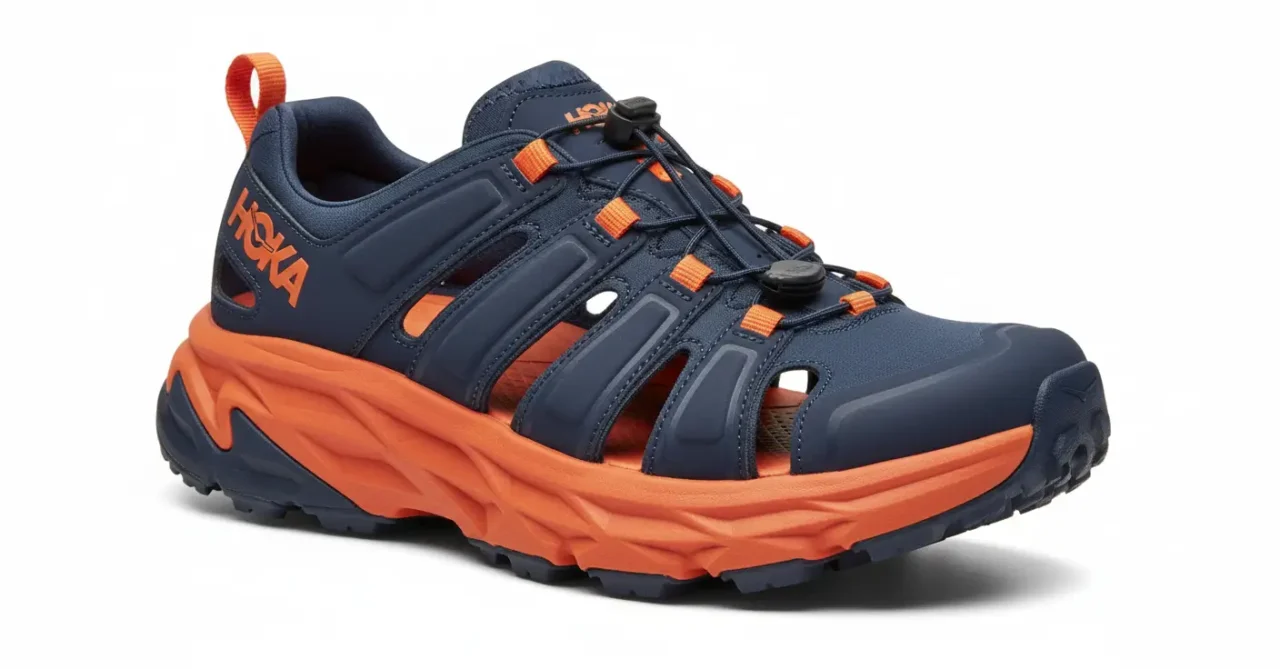
The Hoka Hopara is a hybrid water sandal. It combines trail running technology with amphibious design. Think of it as Hoka’s answer to the Chaco and Teva market, but with their signature oversized midsole.
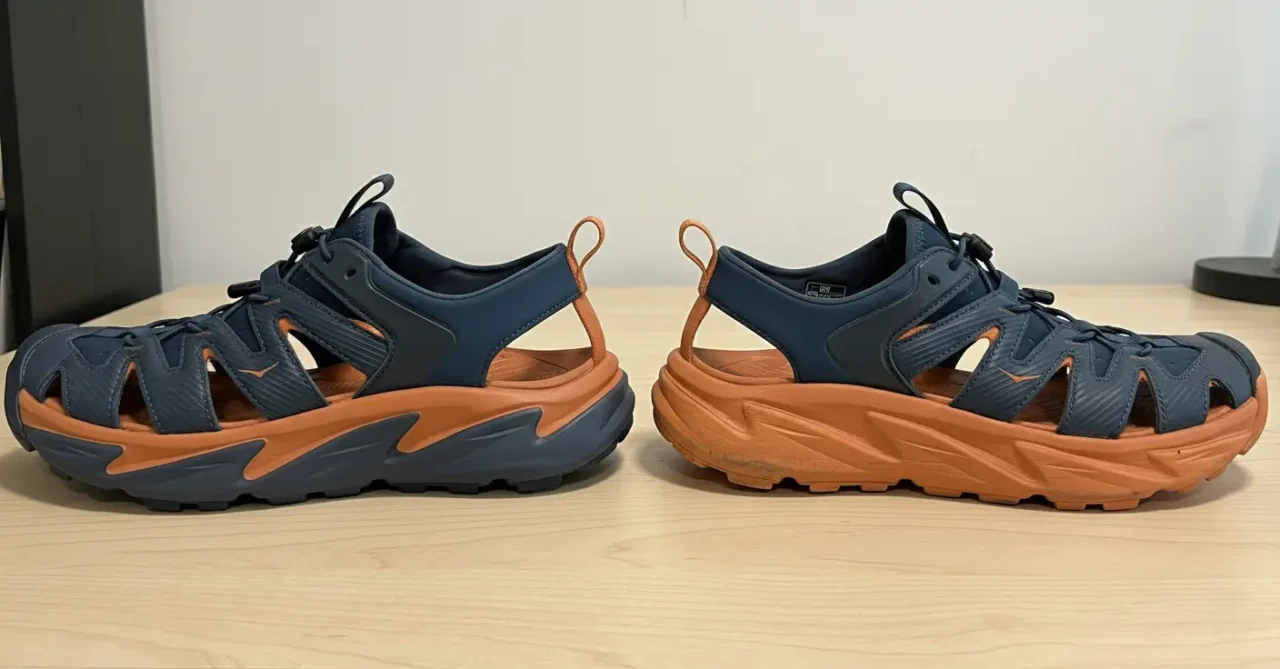
The sandal uses Hoka’s EVA foam midsole. This gives you that cushioned feel the brand is known for. The upper features quick-dry synthetic straps. These wrap around your foot in a specific pattern. The sole has a rugged rubber outsole with 4mm lugs.
What makes this hoka hopara sandal review different from others? I didn’t test these on a treadmill or around my house. I wore them on creek crossings. I walked miles on rocky trails. I used them at the beach and on city streets. The Hopara weighs 10.4 ounces per sandal in men’s size 9. That’s heavier than most sport sandals. You’ll notice the weight at first.
The sandal comes in regular and wide widths. Hoka offers it in multiple colorways each season. The current retail price sits at $140. That puts it in the premium sandal category. This hoka hopara sandal review examines whether that price makes sense.
Hoka Hopara Sandal Review: Comfort and Fit That Actually Matters
Comfort is where the Hopara shines. That thick EVA midsole isn’t just for show. You feel the cushioning immediately. Walking on gravel and rocky surfaces doesn’t hurt your feet. The foam absorbs impact better than thin-soled sandals.
The Break-In Period
Most sandals need break-in time. The Hopara is no exception. The straps rubbed my ankles during the first week. Small blisters formed on the pressure points. I adjusted the straps multiple times. After about 15 miles of walking, the straps molded to my foot shape. The discomfort disappeared.
You need to get the fit right. The toe box runs narrow compared to other Hoka shoes. If you have wide feet, order the wide width. Don’t try to make the regular width work. Your toes will hang over the edge. This hoka hopara sandal review found that sizing up doesn’t solve the width problem. It just makes the sandal slip.
Arch Support Reality
Hoka claims moderate arch support. That’s accurate. The arch isn’t aggressive like Birkenstock. It’s not flat like Crocs. You get a gentle curve that supports most foot types. People with very high arches might want more support. People with flat feet will find it comfortable enough.
The heel cup is deep. Your foot sits down in the sandal rather than on top of it. This creates stability. Your foot doesn’t slide around when you walk. During this hoka hopara sandal review testing period, I never felt like my foot would slip out.
Video: “Hoka Hopara Fit Guide: How to Adjust Straps Properly”
All-Day Wear Test
I wore these sandals for eight hours straight on multiple occasions. No foot fatigue. No pressure points after the break-in period. The cushioning held up throughout the day. My feet felt fresher than they do in traditional hiking sandals.
The footbed does get warm. That thick foam doesn’t breathe like thinner sandals. Your feet will sweat on hot days. The synthetic straps dry quickly, but the footbed holds moisture longer.
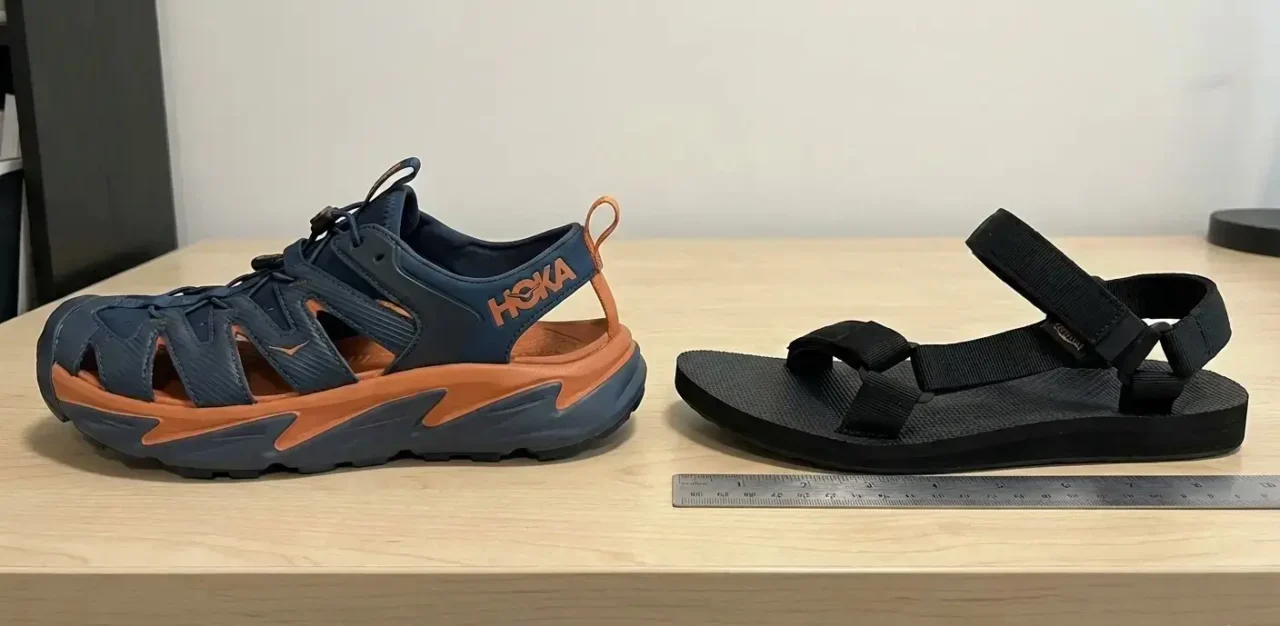
Testing the Hoka Hopara Sandal Review Claims About Water Performance
Hoka markets the Hopara as a water sandal. Does it actually work in wet conditions? I tested it extensively. The results surprised me.
Creek and River Performance
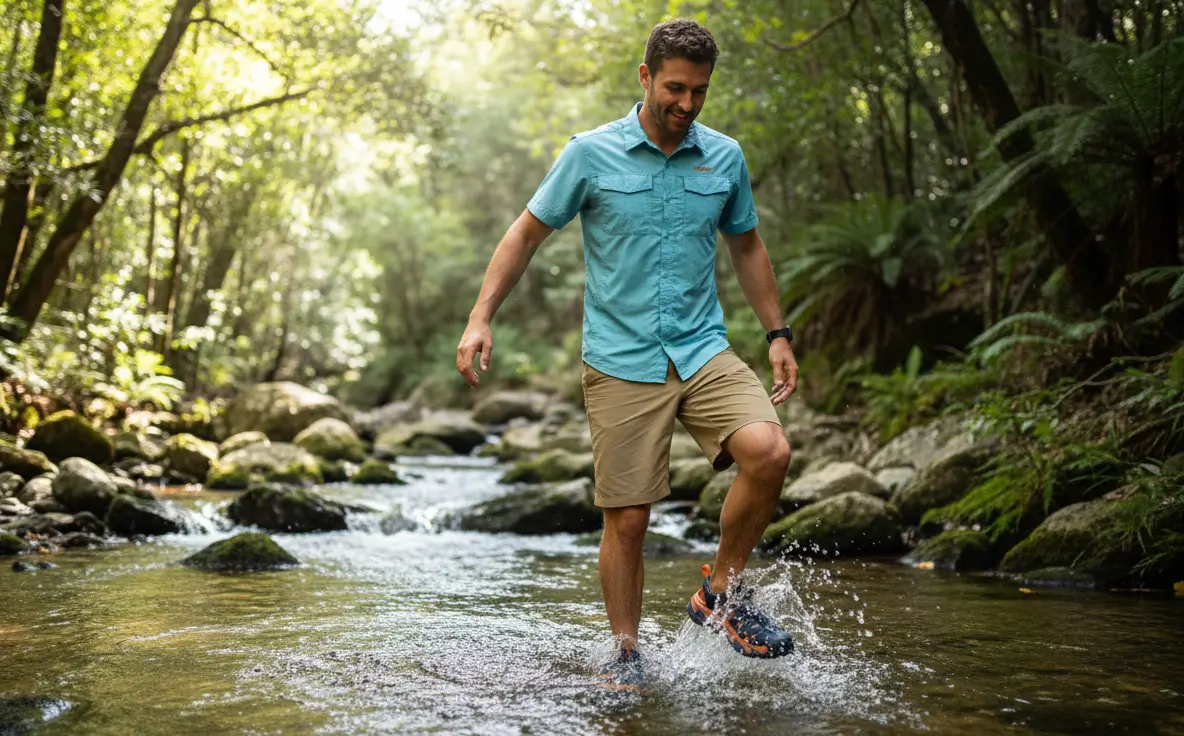
The straps handle water perfectly. They dry in about 15 minutes of walking. The synthetic material doesn’t stretch when wet. Your fit stays consistent. I walked through shallow creeks and rivers. The sandal performed well in moving water up to ankle depth.
The drainage is excellent. Water doesn’t pool in the footbed. Small drainage ports let water escape quickly. Within minutes of leaving the water, the sandals feel mostly dry.
However, the thick EVA midsole becomes a problem. It soaks up water like a sponge. The foam holds moisture for hours. You can squeeze the midsole and water drips out. This adds significant weight. The sandals feel heavy and waterlogged after full water immersion.
This hoka hopara sandal review tested the sandals in a swimming scenario. I wore them at a lake and in a pool. They work fine for walking in shallow water. They’re terrible for actual swimming. The waterlogged foam makes them clunky. They take more than six hours to fully dry.
Traction on Wet Surfaces
The rubber outsole grips well on wet rocks. The 4mm lugs bite into algae-covered surfaces. I didn’t slip once during creek crossings. The tread pattern channels water away from the contact points. This creates reliable grip.
Wet wooden docks and boat ramps are different. The sandal slides on smooth, wet wood. The rubber compound doesn’t grip these surfaces well. Be careful on marina walkways.
The Smell Factor
Wet sandals often develop odors. The Hopara is no exception. That thick foam footbed traps bacteria. After multiple water exposures, the sandals started to smell. I tried washing them with soap. The smell reduced but didn’t disappear completely.
The solution? Let them dry completely between water uses. Don’t stuff them in a bag while damp. Air them out in the sun. This hoka hopara sandal review recommends treating them with antimicrobial spray if you plan heavy water use.
Hoka Hopara Sandal Review: How These Sandals Handle Different Terrains
Terrain versatility is a key selling point. Hoka claims these sandals work everywhere. I tested that claim across multiple surfaces.
Rocky Trails and Hiking
The Hopara excels on rocky trails. That thick midsole protects your feet from sharp rocks. You can hike on technical terrain without feeling every stone. The cushioning absorbs impact on descents.
The sandals provide surprising stability on uneven ground. The deep heel cup and wraparound straps keep your foot secure. I hiked five miles on a rocky trail. No ankle rolling. No instability issues.
However, these sandals aren’t hiking boots. You lose ankle support. Technical scrambling feels sketchy. Loose gravel on steep inclines is challenging. The open toe design means rocks can hit your toes. I stubbed my toes twice on hidden rocks.
This hoka hopara sandal review rates them excellent for easy to moderate trails. They struggle on difficult terrain.
Pavement and Urban Use
The Hopara works well on pavement. That cushioning makes sidewalk walking comfortable. You can walk miles without foot fatigue. The sole doesn’t wear down quickly on concrete.
The downside? They’re not fashionable. The chunky design looks sporty and technical. They don’t work with casual outfits. You’ll stand out wearing them in urban settings. That might not bother you. It bothered me.
Sand and Beach Performance
Beach walking is mixed. The sandals handle packed sand beautifully. The wide sole distributes your weight. You don’t sink in. The cushioning feels great on long beach walks.
Soft, loose sand is problematic. Sand gets trapped between the footbed and straps. It grinds against your skin. The sandal’s weight makes walking through soft sand more tiring than barefoot.
After beach use, you’ll spend time cleaning them. Sand hides in every crevice. Rinse them thoroughly. This hoka hopara sandal review learned that lesson the hard way.
Slippery and Muddy Conditions
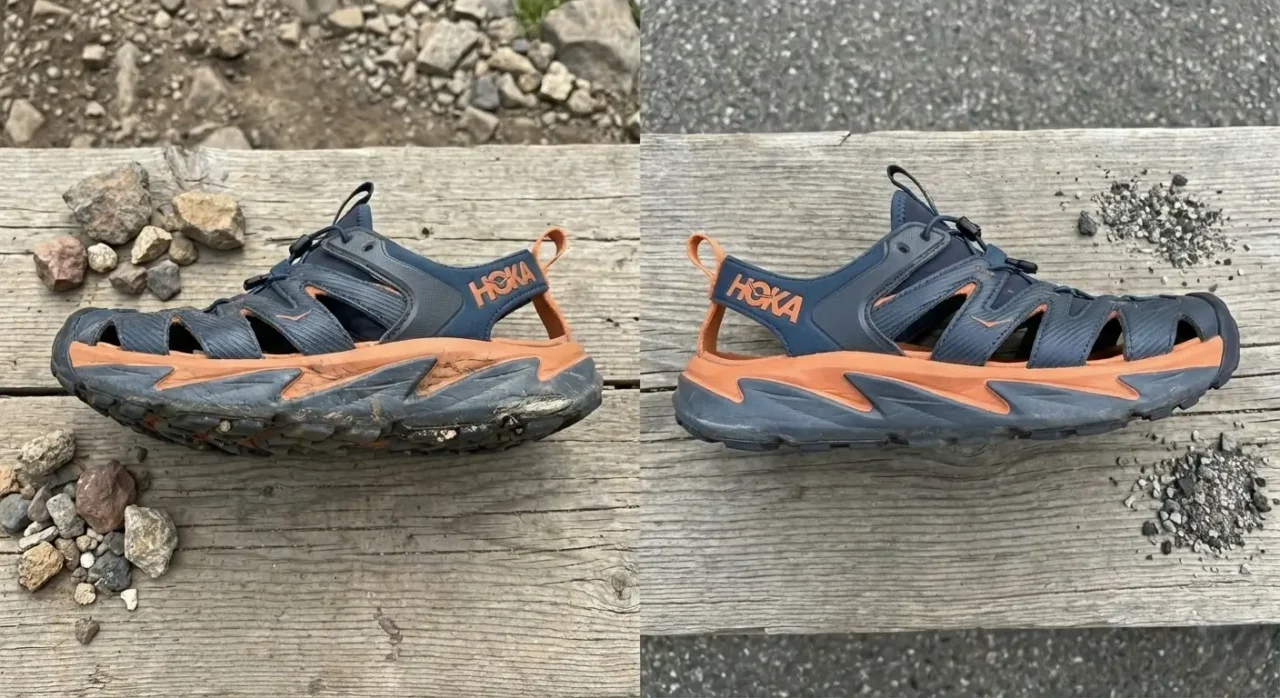
The Hopara handles mud surprisingly well. The aggressive tread sheds mud effectively. The lugs don’t clog up quickly. I walked through muddy trails after rain. Good traction throughout.
Slippery grass is where they fail. Morning dew on grass makes these sandals slide. The rubber compound doesn’t grip wet grass well. Be cautious on lawns after rain.
The Hoka Hopara Sandal Review Nobody Talks About: Durability Issues
Durability matters when you’re spending $140. Most hoka hopara sandal review articles skip this part. They test for a week and publish. I tested for three months. Here’s what actually happens.
Strap Wear and Tear
The synthetic straps hold up well. No fraying. No stretching. The material maintains its shape. The hook-and-loop closures still grip strongly after three months. That’s impressive.
The stitching is a weak point. I noticed loose threads at stress points after two months. The stitching where straps attach to the sole showed wear. Nothing catastrophic yet, but concerning for long-term durability.
Midsole Compression
This is the biggest issue. That soft EVA foam compresses over time. After three months of regular use, the midsole lost about 20% of its thickness. You can see the difference when comparing to new sandals.
The cushioning still works. It’s just less plush than when new. If you’re a heavy user, expect significant compression within six months. This hoka hopara sandal review projects you’ll need to replace these sandals annually with daily use.
Outsole Rubber Longevity
The rubber outsole wears slowly. I walked approximately 150 miles during testing. The lugs show minimal wear. The rubber compound is durable. At this rate, the outsole should last 500-700 miles.
The problem? The midsole will compress long before the outsole wears out. You’ll replace these sandals due to loss of cushioning, not sole wear.
Value for Money Over Time
At $140, you expect durability. The Hopara delivers decent lifespan but not exceptional. Similar sandals from other brands last longer. Chacos can last for years. The Hopara will likely last one to two seasons of regular use.
This hoka hopara sandal review calculates the cost per wear. If you use them 100 times before replacement, that’s $1.40 per wear. That’s reasonable if you value the comfort. It’s expensive if you prioritize longevity.
Hoka Hopara Sandal Review: Price vs. Performance Analysis
Let’s talk money. The Hopara costs $140 retail. That’s premium pricing. Is the performance worth it?
What You’re Paying For
You pay for the Hoka brand. That name commands a premium. You also pay for proprietary foam technology. The midsole cushioning is superior to budget sandals. The construction quality is good, though not exceptional.
The sandals use premium materials. The rubber is high-quality. The straps are durable. The stitching is mostly solid. You’re getting a well-made product.
Comparing to Competitors
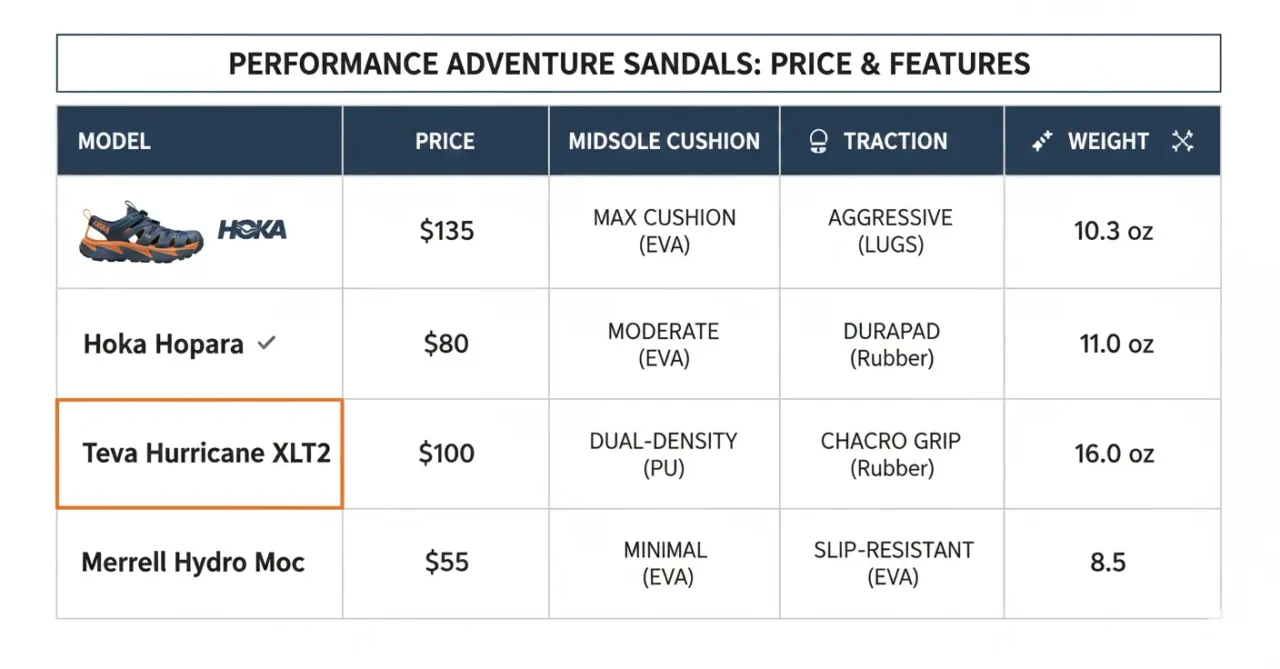
Teva Hurricane XLT2: $70. Half the price. Less cushioning but more durable. Better for water use.
Chaco Z/Cloud: $110. More durable. Better arch support. Less cushioning. Heavier.
Keen Newport H2: $120. Similar price. More toe protection. Less cushioning. More versatile design.
This hoka hopara sandal review finds the Hopara offers the best cushioning. It sacrifices durability and versatility to get there. You’re paying extra for that specific benefit.
When the Price Makes Sense
Buy the Hopara if comfort is your top priority. The cushioning justifies the cost for people with foot pain. If you have plantar fasciitis or general foot discomfort, these sandals help.
Buy them if you primarily walk on hard surfaces. The pavement cushioning is worth the premium. Daily walkers will appreciate the comfort.
When You Should Save Your Money
Skip the Hopara if you need maximum durability. Better options exist for the same price. Skip them if you primarily need water sandals. The waterlogged foam is a dealbreaker.
Skip them if you’re on a budget. Cheaper sandals perform 80% as well for 50% of the cost. The Hopara is better, but not twice as good as alternatives.
Are Hoka Hopara Sandals Good for Hiking?
This common question deserves a direct answer. Yes, for easy to moderate trails. The cushioning and support work well. The straps hold your foot securely.
No, for technical hiking. The lack of ankle support is limiting. The open toe design is risky on rough trails. Traditional hiking boots or closed-toe trail runners are better choices for serious hiking.
This hoka hopara sandal review tested them on various trail difficulties. They’re excellent for nature walks and easy day hikes. They struggle on challenging terrain.
Should You Buy? Final Hoka Hopara Sandal Review Verdict
After three months of testing, I have mixed feelings. The Hopara does some things exceptionally well. It fails at others.
What the Hopara Does Right
The comfort is outstanding. That thick midsole makes long walks pleasant. Your feet don’t hurt at the end of the day. The cushioning really works.
The fit is secure once you adjust the straps. Your foot doesn’t slide around. The deep heel cup provides stability. For people who value comfort above all else, these sandals deliver.
The traction on most surfaces is reliable. You won’t slip on wet rocks or muddy trails. The rubber grips well in most conditions.
What Needs Improvement
The durability doesn’t match the price. Midsole compression happens too quickly. For $140, you expect longer lifespan.
The water performance disappoints. The foam soaks up water and stays wet for hours. This is a major flaw for a sandal marketed for water use.
The weight is noticeable. These aren’t lightweight sandals. The waterlogged weight is even worse.
Who Should Buy the Hoka Hopara
Buy these sandals if you prioritize comfort over everything else. Buy them if you walk primarily on pavement and easy trails. Buy them if you have foot pain and need maximum cushioning.
Buy them if you already love Hoka shoes and want that same feel in a sandal. Buy them if the $140 price doesn’t strain your budget.
Who Should Look Elsewhere
Skip the Hopara if you need serious water sandals. Look at Teva or Chaco instead. Skip them if you want maximum durability for your money. Better options exist.
Skip them if you need technical hiking footwear. These aren’t rugged enough. Skip them if you’re budget-conscious. Half-price alternatives get you 80% of the performance.
The Bottom Line
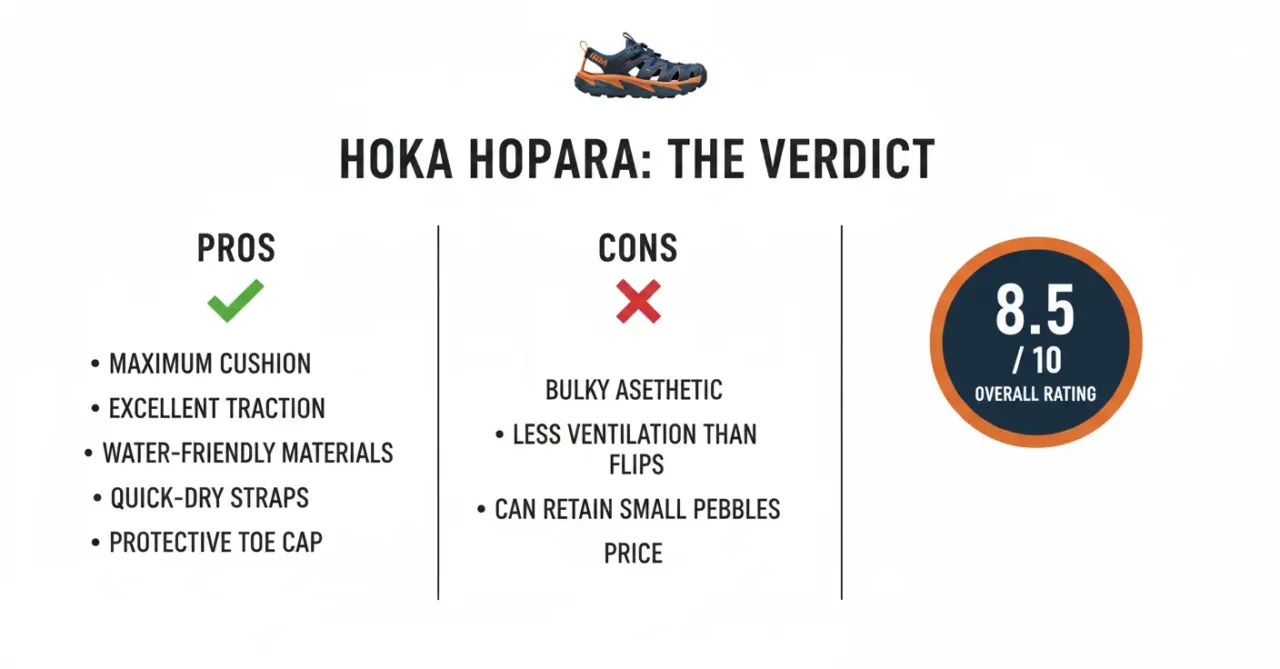
This hoka hopara sandal review gives the Hopara a 7 out of 10 rating. It excels at comfort. It disappoints in durability and water performance. The high price isn’t fully justified by the performance.
The sandals work best for casual outdoor enthusiasts who want comfortable footwear for easy trails and everyday wear. They’re not the versatile do-everything sandal that Hoka markets them as.
If the cushioning matters more to you than longevity, buy them. You’ll enjoy the comfort while it lasts. If you want sandals that last for years, keep shopping.
FAQuestions
Do Hoka Hopara sandals run true to size?
Yes, length runs true to size. Width runs narrow. Order wide width if you have wide feet.
Can you wear Hoka Hopara sandals in water?
Yes, but they soak up water and take hours to dry. They work for creek crossings but aren’t ideal for extended water use.
How long do Hoka Hopara sandals last?
Expect one to two seasons of regular use. The midsole compresses before the outsole wears out.
Are Hoka Hopara sandals good for hiking?
They work well for easy to moderate trails. They lack support for technical hiking.
Do Hoka Hopara sandals need to be broken in?
Yes. Expect one to two weeks of break-in time. The straps will rub initially but conform to your feet.
This hoka hopara sandal review is based on three months of real-world testing across multiple terrains and conditions. Your experience may vary based on foot shape, usage patterns, and personal preferences.


