
Why Trekking Poles Matter for Plus-Size Hikers
Hiking offers incredible physical and mental health benefits while connecting you with nature. For plus-size hikers, the right trekking poles provide essential stability, joint protection, and confidence on the trail. This comprehensive guide helps you choose poles designed for higher weight capacities and demanding conditions.
What Are the Key Benefits of Using Trekking Poles?
Enhanced Balance and Stability
Trekking poles provide additional points of contact with the ground, significantly improving balance on uneven terrain. This extra stability reduces the risk of injury, especially on rocky or steep paths.
How Do Trekking Poles Protect Your Joints?
Using poles properly distributes your body weight more evenly across four points, rather than two. This reduces strain on knees, hips, and ankles by up to 25%, helping prevent overuse injuries and joint pain during long hikes.
Improved Posture and Endurance
Poles encourage upright posture, which relieves back strain and maintains optimal lung capacity. This allows you to hike longer distances with less fatigue while breathing more efficiently.
Increased Safety on Challenging Terrain
Think of trekking poles as your “four-wheel drive” on the mountain. They provide crucial support on slippery surfaces, loose gravel, stream crossings, and steep descents.
What Should You Look for When Choosing Trekking Poles?
Weight Capacity and Durability
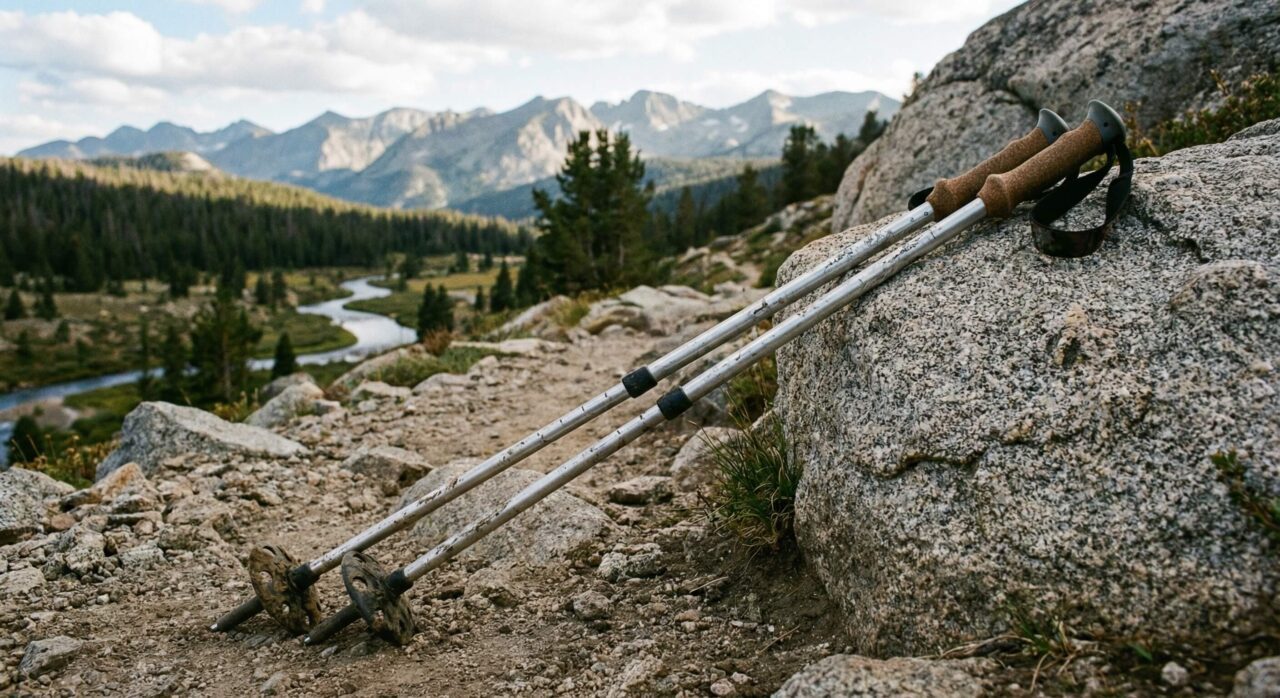
Look for poles rated explicitly for higher weight capacities. Robust construction ensures they won’t fail when you need them most.
Material: Aluminum vs. Carbon
Aluminum poles offer superior durability and tend to bend rather than shatter when subjected to stress. This is particularly important for heavier individuals who may put more force on poles during trips or sudden impacts.
Carbon fiber poles are lighter and absorb vibrations well, but can break suddenly under high stress. For plus-size hikers, aluminum often provides better long-term reliability.
What Type of Grip Works Best?
Cork grips are ideal because they absorb moisture from your hands, preventing blisters even during long hikes in warm weather.
Foam grips feel soft but can become sweaty and less comfortable in summer conditions.
Which Adjustment System Is Most Secure?
We strongly recommend using clamping systems (such as Powerlock or FlickLock mechanisms) over twist-lock systems. Clamps are far less likely to collapse unexpectedly under heavy loads, providing confidence and safety on steep terrain.
What Accessories Should You Consider?
- Trekking baskets: Larger plates for soft surfaces like snow or mud
- Rubber tips: Buffer attachments for hiking on asphalt or pavement
- Replacement tips: Keep extras on hand for worn carbide tips
Top 6 Trekking Poles Recommended for Plus-Size Hikers
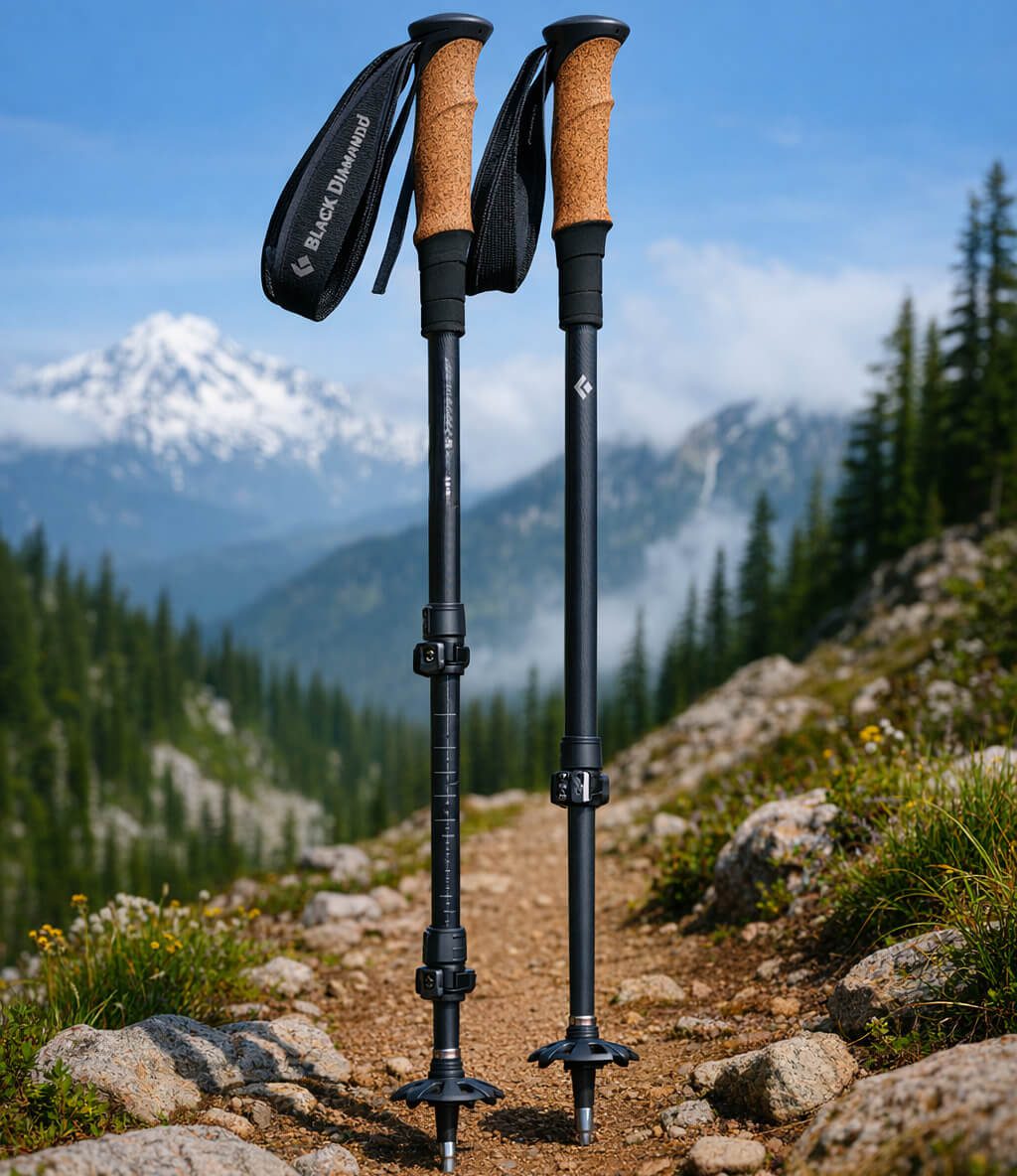
1. Black Diamond Alpine Carbon Cork
The Black Diamond Alpine Carbon Cork offers an excellent balance of weight, stability, and comfort. Its carbon fiber construction, premium cork grip, and adjustable length make it a top-tier choice for hikers willing to invest in quality equipment.
Best for: Experienced hikers seeking lightweight performance without sacrificing stability
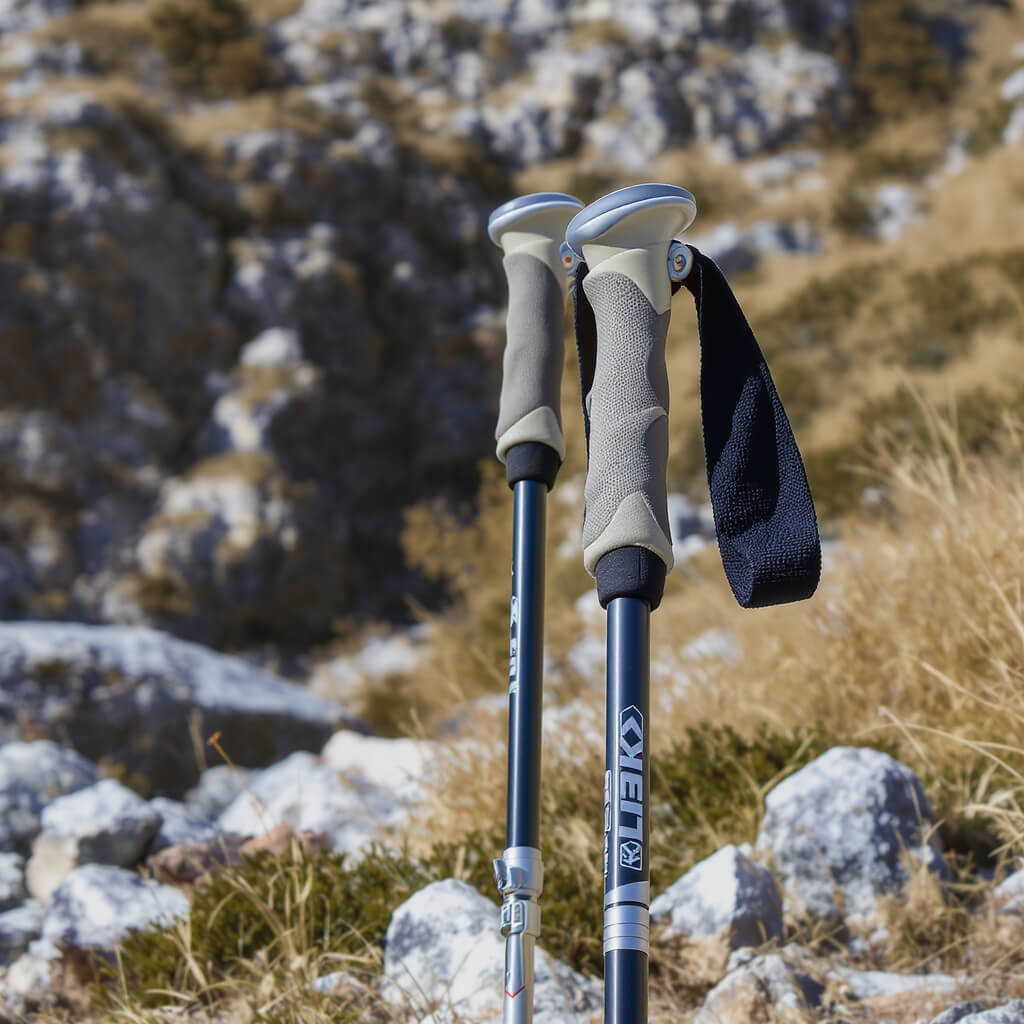
2. Leki Makalu
The Leki Makalu features an aluminum construction, providing exceptional stability—ideal for stronger hikers who require reliable support. Its ergonomic Aergon handle and proven Leki quality make it an excellent choice for plus-size hikers who demand dependable equipment.
Best for: Heavier hikers prioritizing maximum durability and stability
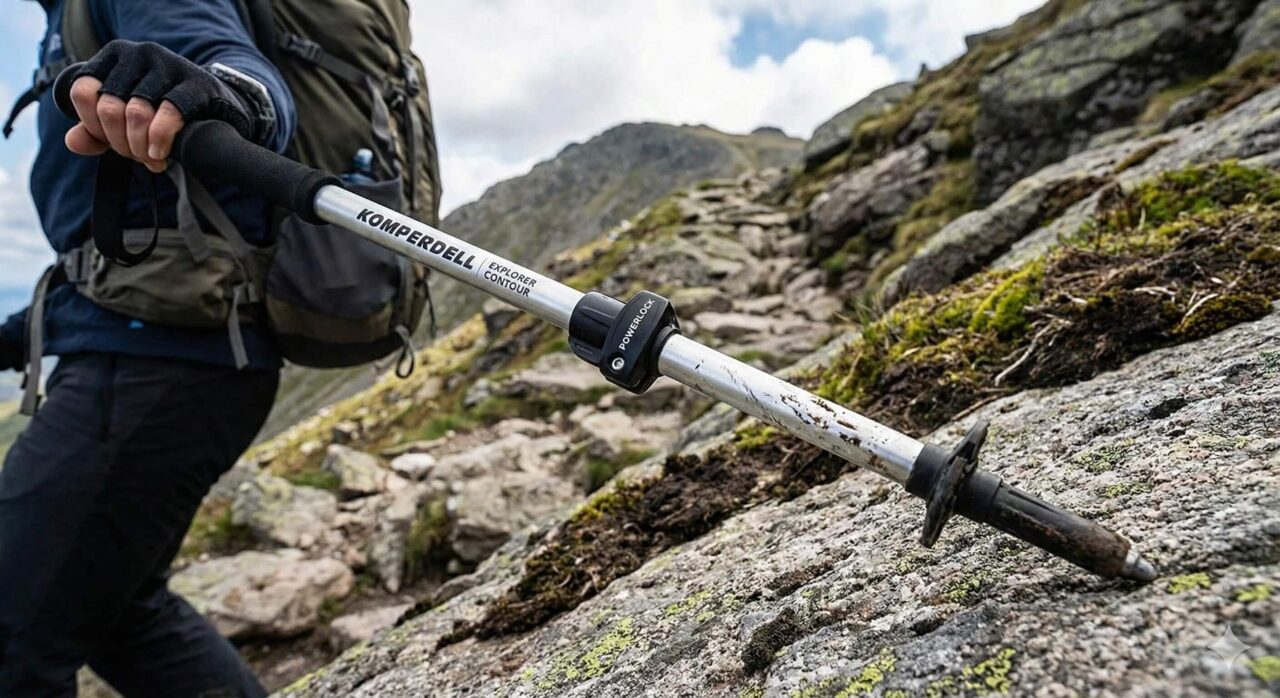
3. Komperdell Explorer Contour Powerlock
Featuring a robust aluminum shaft and highly secure Powerlock adjustment system, the Komperdell Explorer Contour Powerlock is purpose-built for heavier loads. The comfortable grip and solid carbide tip ensure the locking mechanism stays secure even under significant stress.
Best for: Hikers who need absolute confidence in their pole’s locking mechanism
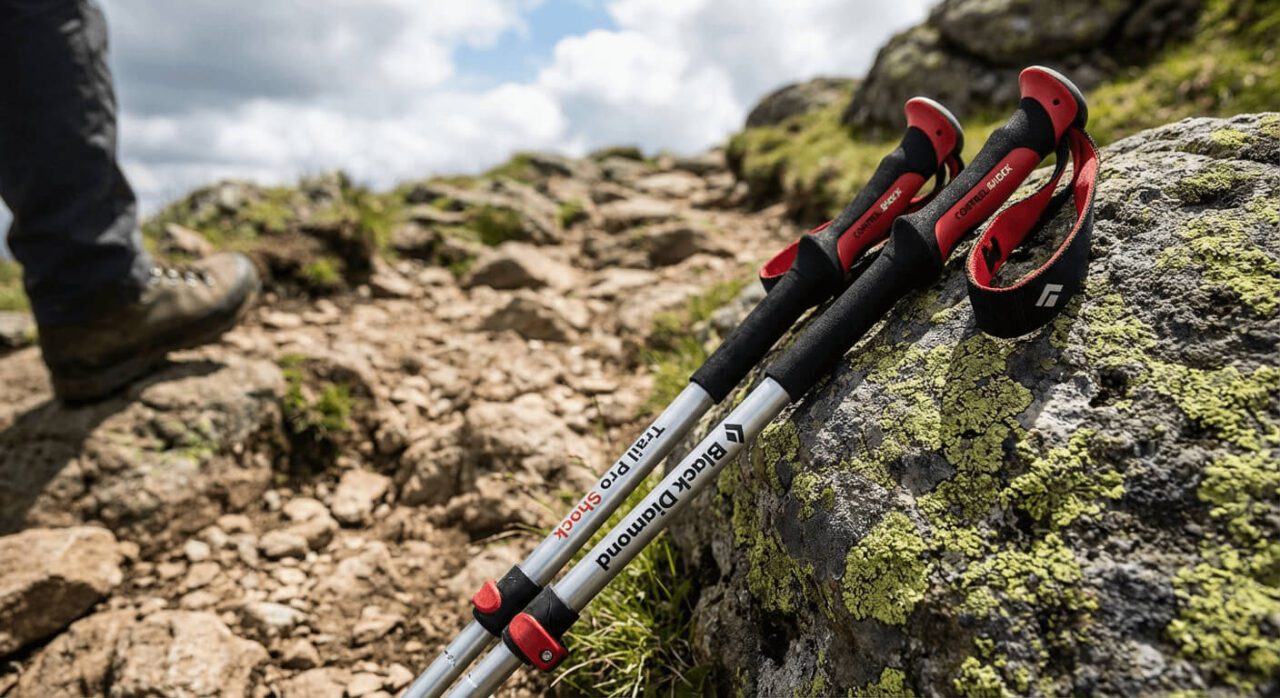
4. Black Diamond Trail Pro Shock
The Black Diamond Trail Pro Shock is constructed from aluminum and includes an internal Control Shock damping system that absorbs impact. This feature particularly protects your wrists when hiking on hard surfaces, such as rocky trails or packed dirt.
Best for: Hikers with wrist or joint concerns who need extra shock absorption
5. MSR DynaLock Ascent
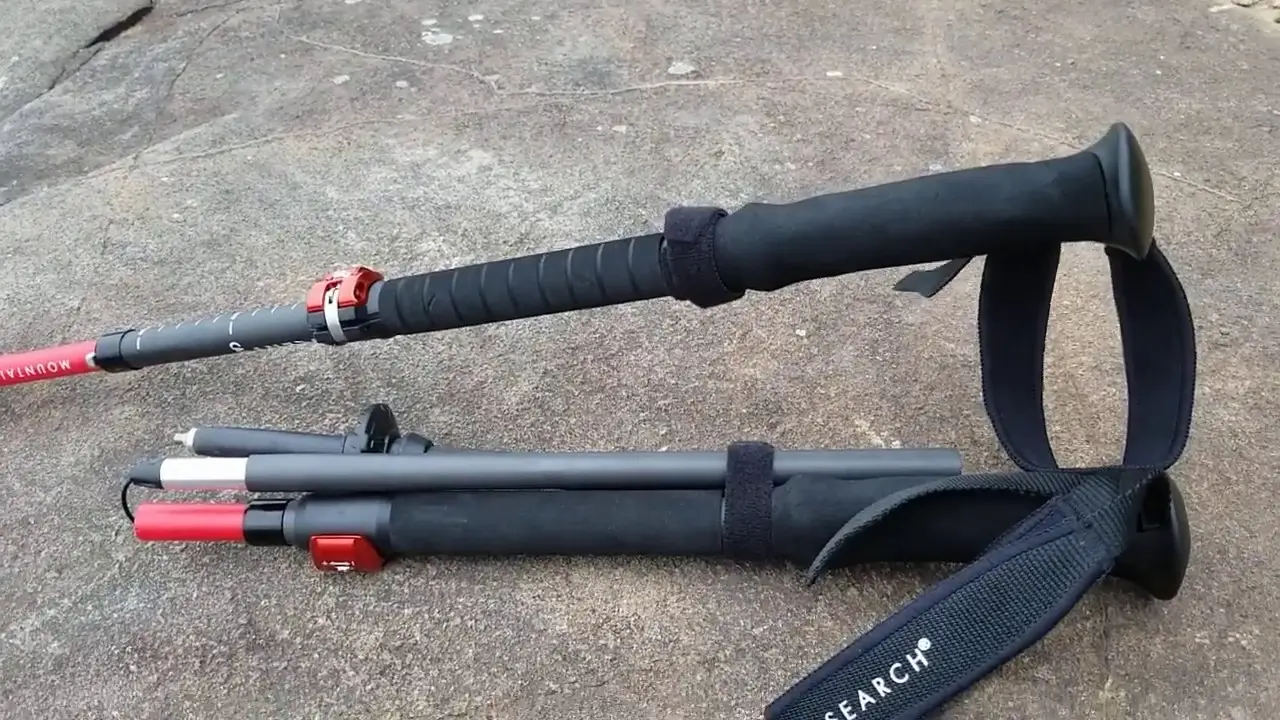
The MSR DynaLock Ascent combines aluminum durability with the convenience of folding. The DynaLock system operates easily even with gloves, and the construction is robust enough to support heavy loads reliably.
Best for: Hikers who want packable poles without compromising strength
6. Black Diamond Big Stick
The Black Diamond “Big Stick” is specifically engineered for strong hikers, offering exceptional stability through high-quality aluminum construction. Its foldable design allows convenient packing in your backpack. For optimal stability, pair these poles with well-fitting hiking boots designed for wide feet.
Best for: Plus-size hikers needing maximum weight capacity and foldable portability
How to Use Trekking Poles Correctly
What Is the Correct Length Setting?
Adjust your poles so your elbow forms a 90-degree angle when holding the grip with the tip on the ground. Shorten poles slightly for uphill climbing and lengthen them for downhill sections.
What Is the Proper Grip Technique?
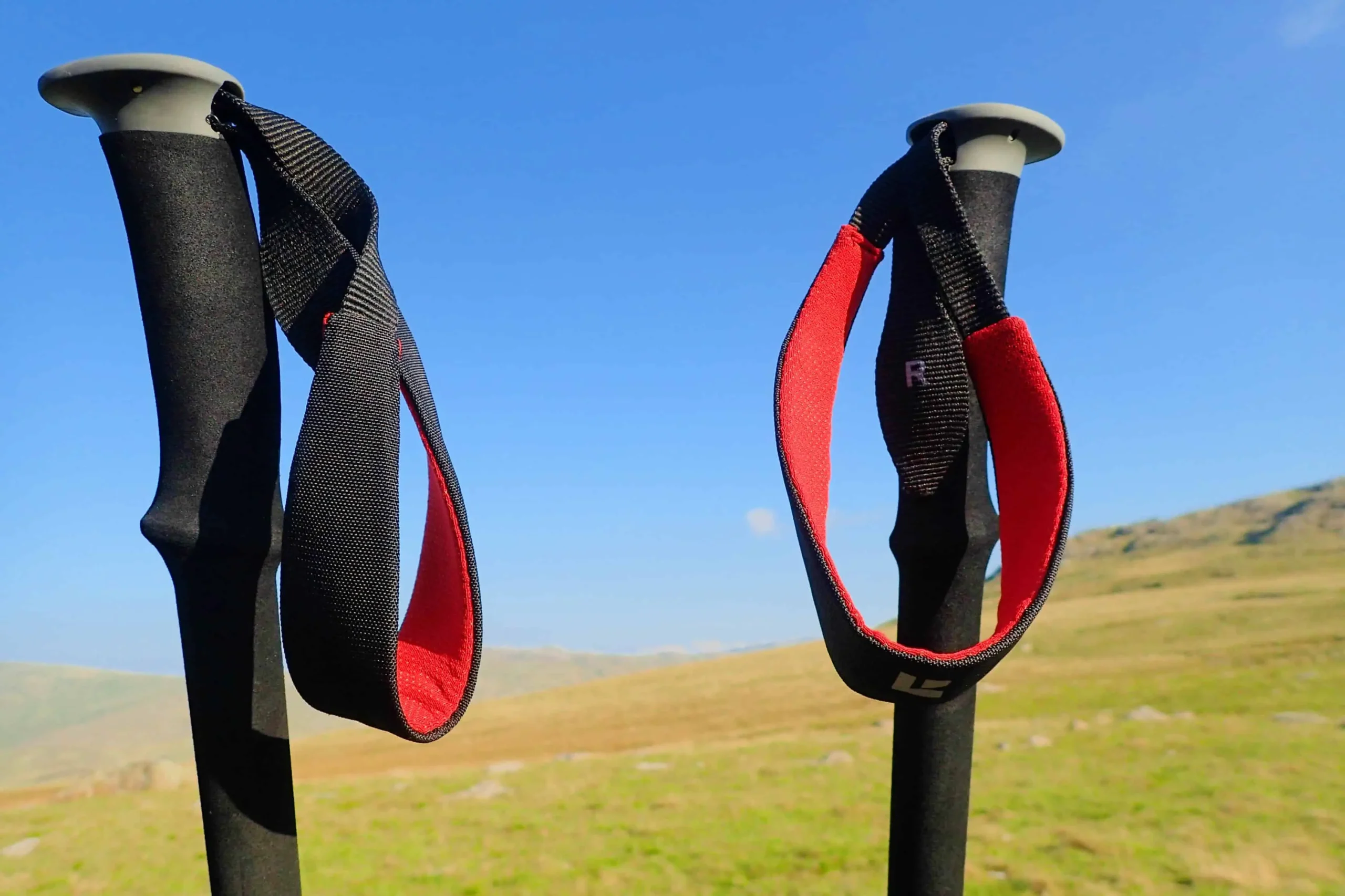
Thread your hand up through the wrist strap from below, then grip the handle. This allows you to “rest” in the strap without gripping tightly, reducing forearm fatigue significantly.
How Should You Position Poles While Hiking?
Position poles diagonally to your stride—left foot forward pairs with right pole forward. On downhill sections, actively plant poles ahead to relieve pressure on your knees and control your descent.
Important Safety Guidelines
Pre-Hike Checks
Always verify that clamps and fasteners are secure before starting your hike. A quick check takes 30 seconds but prevents potentially dangerous equipment failure on the trail.
When Should You Replace Tips?
Replace worn carbide tips promptly to maintain traction on rocks and hard surfaces. Worn tips increase the risk of slipping and reduce effectiveness.
How Can You Practice Proper Technique?
Practice your pole technique on level ground before tackling challenging mountain terrain. This builds muscle memory and confidence in your equipment.
Frequently Asked Questions About Trekking Poles for Plus-Size Hikers
Are aluminum or carbon poles better for heavier hikers?
Aluminum poles generally provide better reliability for plus-size hikers because they bend under stress rather than breaking suddenly like carbon poles can. While carbon is lighter, aluminum’s durability makes it the safer choice for higher-weight loads.
How much weight can trekking poles support?
Quality trekking poles designed for heavier use can support 200-300+ pounds when used correctly. Always check the manufacturer’s specifications and choose poles that are explicitly rated for your weight.
Do I need special poles if I’m a beginner?
Beginners benefit most from sturdy aluminum poles with secure clamping mechanisms. These provide reliable performance while you develop proper technique and confidence on trails.
Can trekking poles really reduce knee pain?
Yes—studies show properly used trekking poles can reduce knee joint stress by 20-25%, especially beneficial on downhill sections where impact forces are highest.
What’s the difference between hiking poles and trekking poles?
The terms are often used interchangeably. Generally, trekking poles are adjustable and designed for use on variable terrain, whereas some hiking poles may be fixed-length and simpler in design.
Trekking poles serve as valuable companions for plus-size hikers seeking improved hiking experiences with added stability and joint protection. Choosing equipment matched to your body and hiking style makes a significant difference in trail enjoyment and safety.
Remember that personal preferences and individual needs guide the best selection. For beginners, a sturdy aluminum pole with secure clamping mechanisms offers the safest starting point.


