
What Makes Italian Cashmere Brands Different From Other Manufacturers?
Italian cashmere brands control quality in ways other manufacturers can’t match. They own their supply chains from fiber sourcing in Mongolia to final production in Italian mills. This vertical integration means every step meets their standards.
The difference starts with fiber selection. Top Italian cashmere brands purchase only undercoat fibers with a diameter of 14-15 microns. Compare this to mass-market manufacturers who accept fibers up to 19 microns. A sweater made from 15-micron fiber feels noticeably softer than one made from 19-micron fiber.
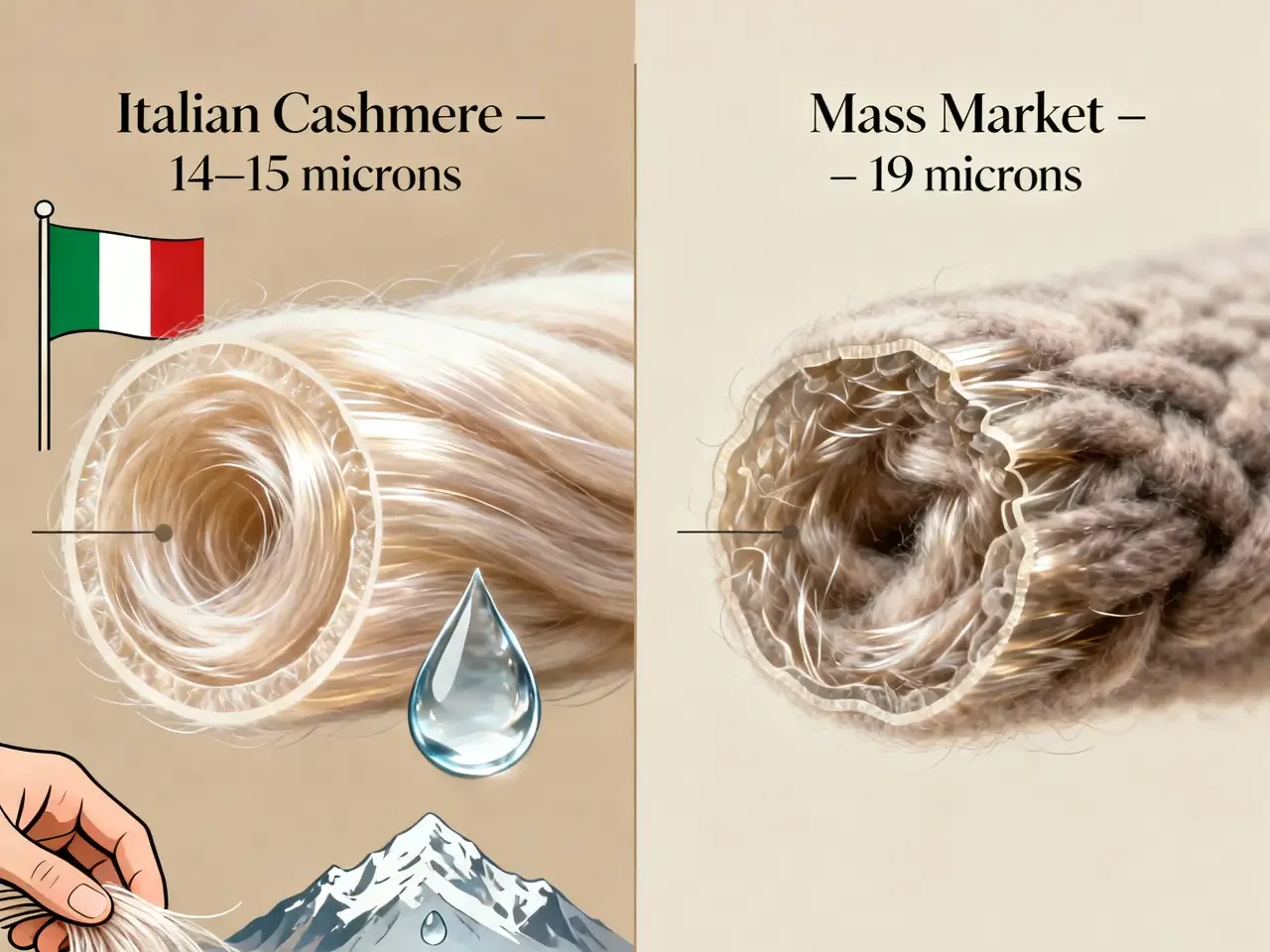
Italian processors wash cashmere in mountain spring water. This natural water is soft and mineral-free, which helps protect the fiber structure. Chemical treatments clean faster but damage the delicate fibers. Italian mills also comb fibers multiple times to remove coarse guard hairs that cause itching and pilling.
Manufacturing excellence sets Italian cashmere brands apart. Mills in Biella and the surrounding regions have refined their techniques over generations. Workers adjust machine tension constantly during production to ensure even stitches. This attention results in sweaters that retain their shape for 10-15 years with proper care.
The Top 5 Italian Cashmere Brands You Need to Know in 2025
1. Loro Piana: The Gold Standard of Italian Cashmere Brands
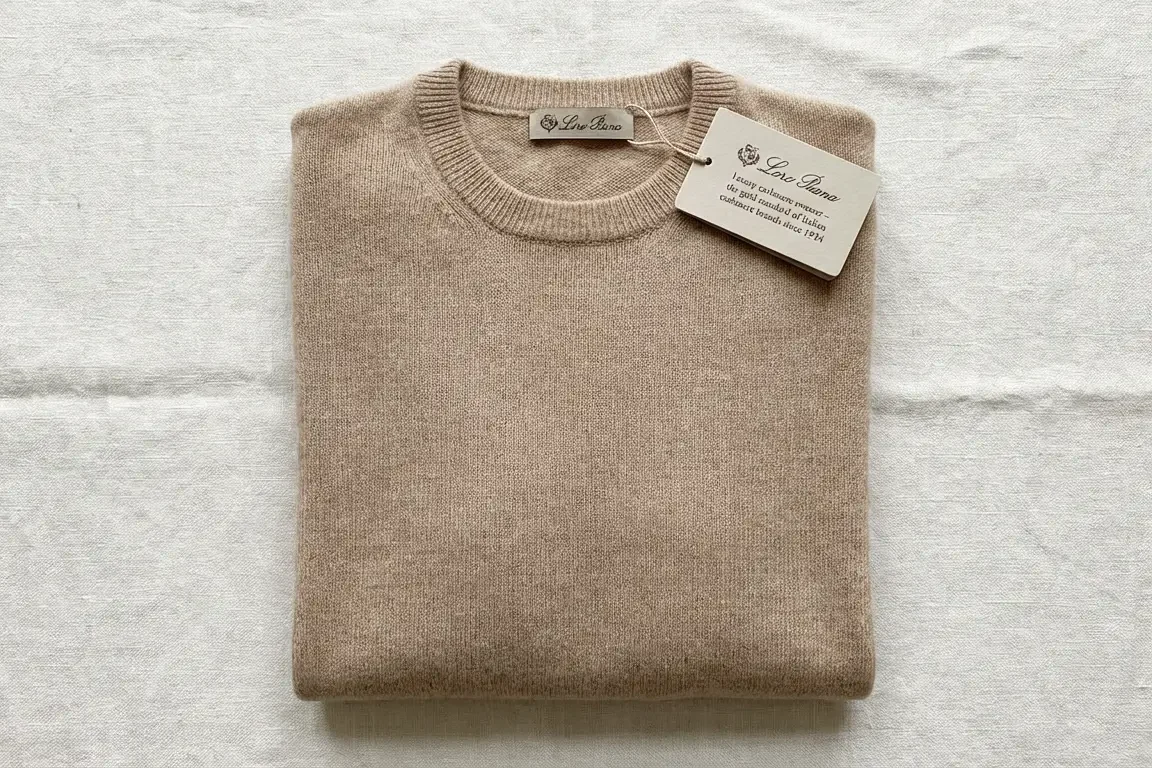
Loro Piana dominates the luxury market for one clear reason: they produce the finest cashmere available. Founded in 1924, the company sources fiber directly from Mongolian herders who raise goats in the harshest climates.
What you get for the price: A basic Loro Piana crew-neck sweater starts at $1,295. You’re buying 14-micron fiber, hand-linked seams, and colors from natural dyes. Their pieces last 10-15 years with proper care, making the cost per wear reasonable.
The brand innovates constantly. They developed storm-resistant cashmere that repels water while maintaining softness. Their summer-weight cashmere features ultra-fine 13.5-micron fibers for comfortable wear in warm weather. Baby cashmere sweaters, made from first-shearing fibers, cost $3,000+ but represent the softest cashmere produced.
2. Brunello Cucinelli: Ethical Luxury Among Italian Cashmere Brands
Brunello Cucinelli built his company around fair labor practices and exceptional quality. He pays workers above-market wages and restored the medieval village of Solomeo for his headquarters. His cashmere originates from the same Mongolian sources as Loro Piana, but it costs slightly less.
Price range: Sweaters range from $895 to $2,200, depending on weight and style. The fit is more relaxed than other Italian cashmere brands, which works well if you prioritize comfort over structure.
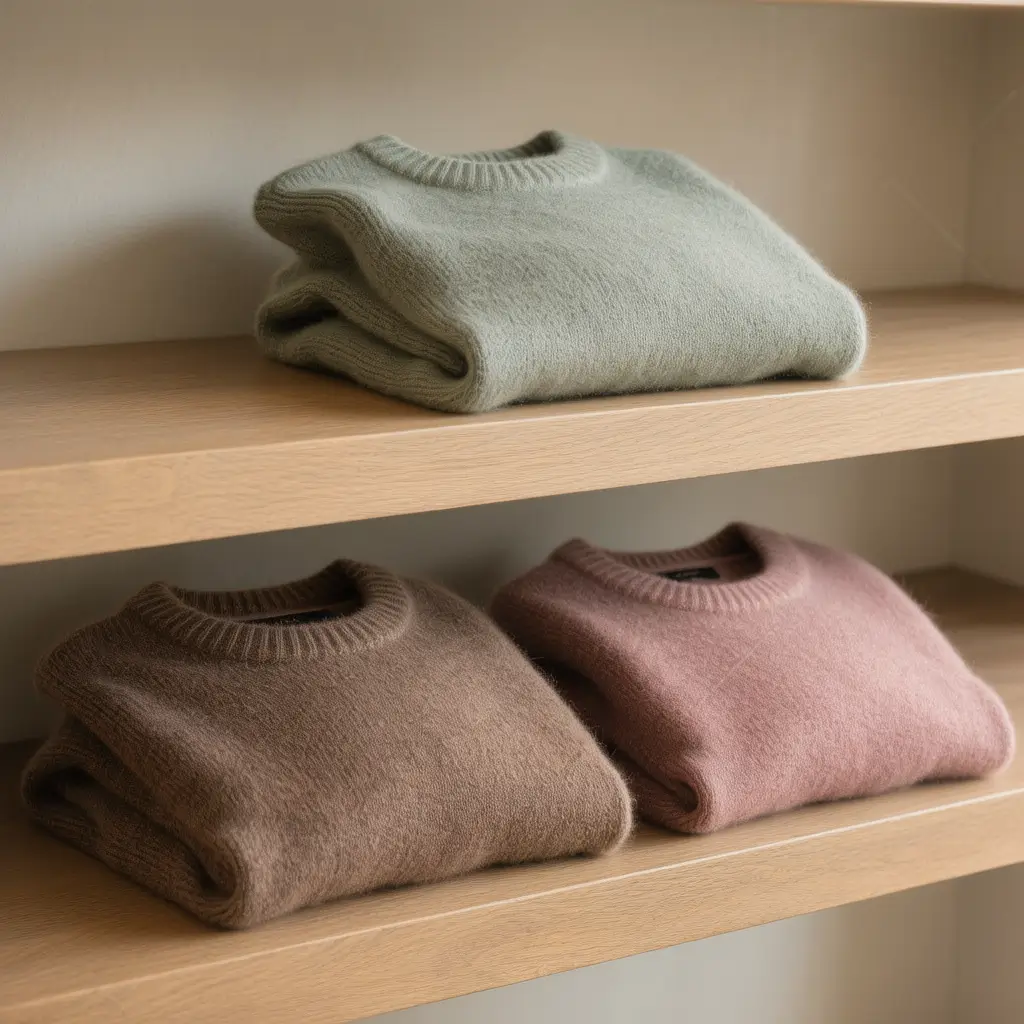
Color sets Cucinelli apart from competitors. His dye masters create hundreds of unique shades each season. You won’t find basic black and gray. Instead, the collection features sage, tobacco, and dusty rose tones that look expensive without obvious branding.
3. Cruciani: The Hidden Value in Italian Cashmere Brands
Cruciani doesn’t chase trends or celebrity endorsements. They make classic pieces that remain stylish for decades. Prices range from $425 to $950, making them more accessible compared to luxury brands. Quality stays high because they use the same Biella mills as haute couture houses.
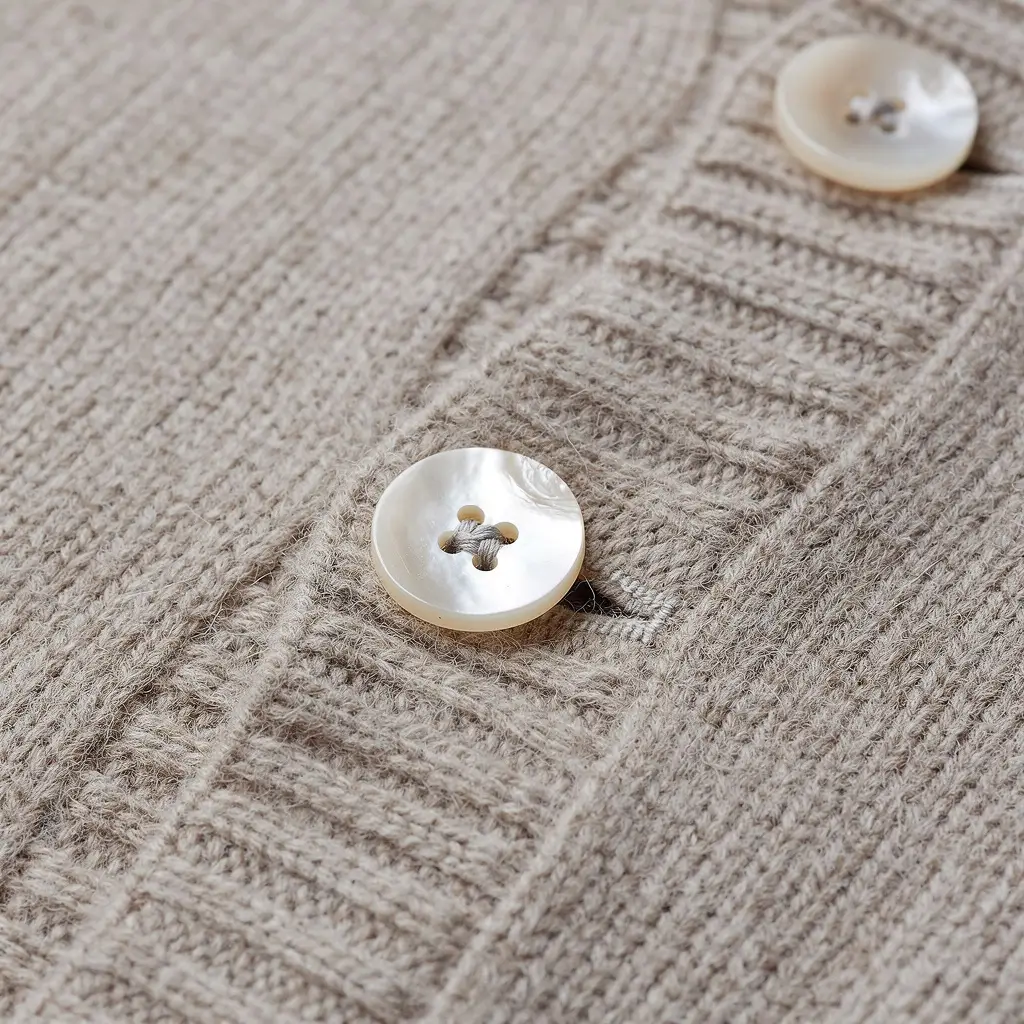
Where to find them: Cruciani sells through specialty boutiques rather than department stores. Their cardigans feature mother-of-pearl buttons and hand-finished seams. Cable knit patterns show real depth and texture. If you want quality without designer markup, Cruciani delivers excellent value.
4. Gran Sasso: Technical Excellence in Italian Cashmere Brands
Gran Sasso specializes in technical knits and innovative blends. They combine cashmere with silk, linen, or merino to create pieces for different seasons and occasions. Their pure cashmere line utilizes 15-micron fiber and offers excellent value, ranging from $495 to $895.
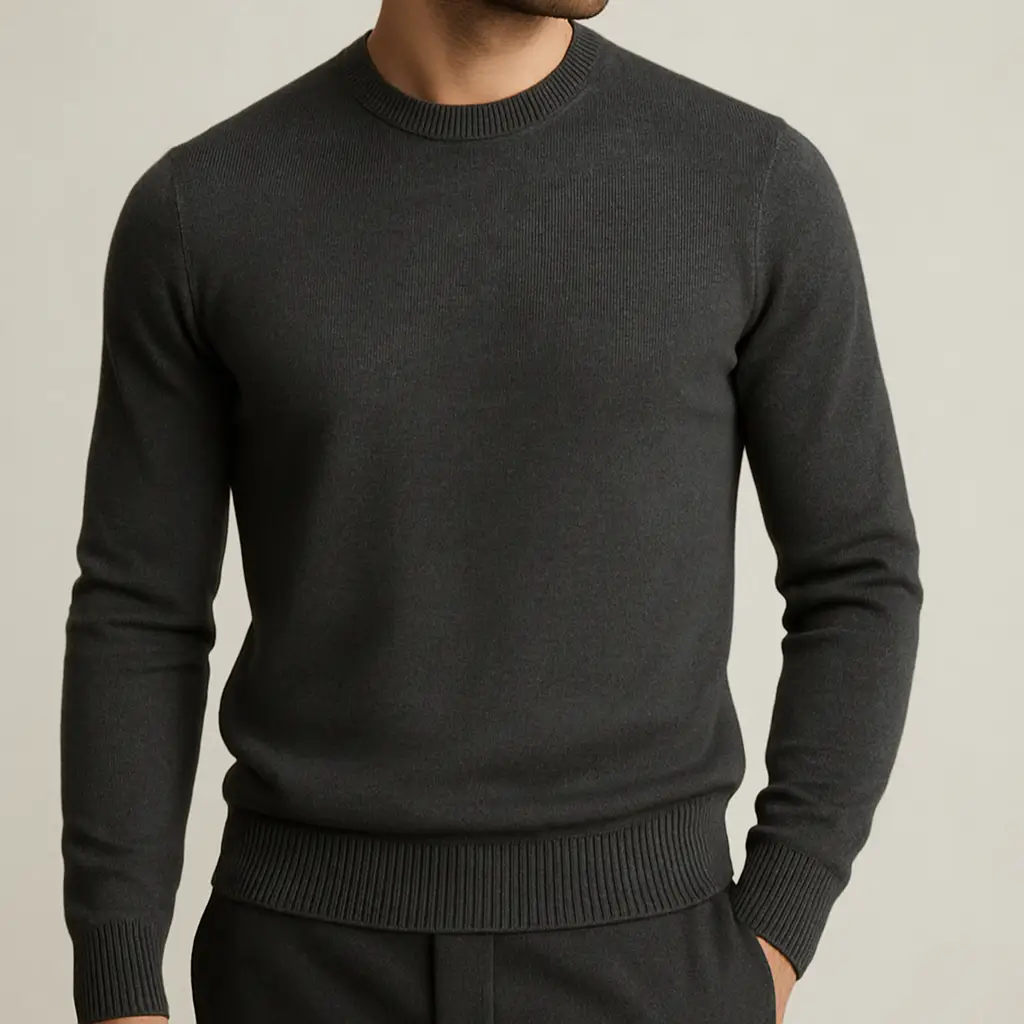
The brand focuses on fit. Their pieces follow body contours without feeling tight. Ribbing at cuffs and hems uses tighter gauges that maintain shape after stretching. This attention to construction details significantly extends garment life.
5. Ballantyne: Heritage Meets Modern Design
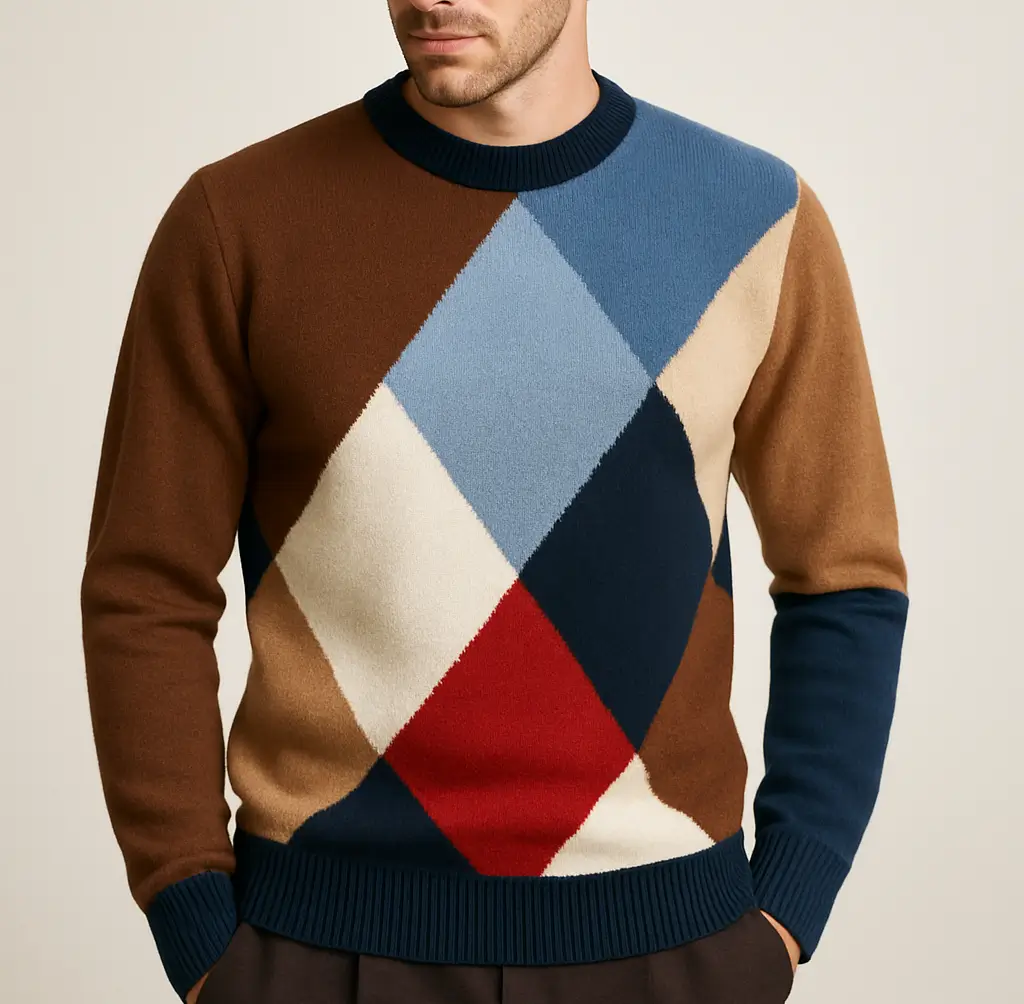
Ballantyne traces its history to 1921. The brand balances traditional Scottish knitting techniques with Italian manufacturing excellence. Their cashmere line features bold patterns and contemporary cuts, priced from $595 to $1,295.
What makes them unique: Ballantyne uses intarsia knitting to create complex patterns without seams. This technique requires skilled artisans and produces distinctive pieces that you won’t find elsewhere. Their color-blocked sweaters and geometric patterns appeal to buyers seeking standout pieces.
How Italian Cashmere Brands Source Materials: The Mongolia to Italy Pipeline
1. The Mongolian Connection
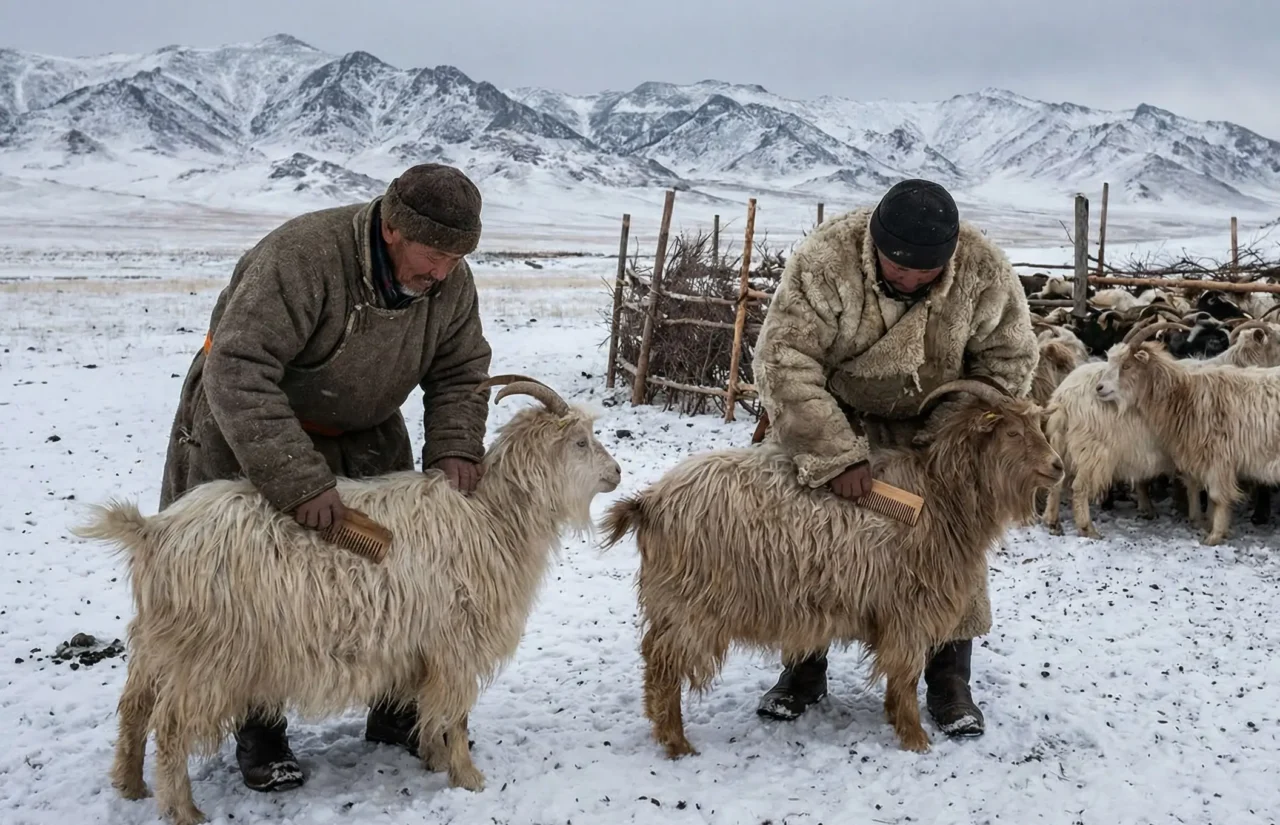
Every Italian cashmere brand depends on Mongolia. The country produces 70% of global cashmere because extreme temperatures force goats to grow dense, fine undercoats. Winter temperatures drop to -40°F, creating ideal conditions for premium fiber production.
The sourcing process: Italian buyers travel to Mongolia each spring during the combing season. They inspect fiber batches personally, checking length, fineness, and color consistency. Top Italian cashmere brands maintain relationships with specific herder cooperatives, paying premium prices for first-choice fiber.
Raw cashmere arrives in Italy as dirty, oily fleece containing 60% impurities—dust, grease, and coarse guard hairs. This material requires extensive processing before it can be transformed into a luxury fabric.
2. Italian Processing Makes the Difference
Processing separates great Italian cashmere brands from average competitors. After washing in mountain spring water, machines separate fine undercoat from coarse guard hairs using steel combs. Italian equipment operates more efficiently than Chinese machines, resulting in reduced fiber breakage. More intact fibers mean softer, stronger yarn.
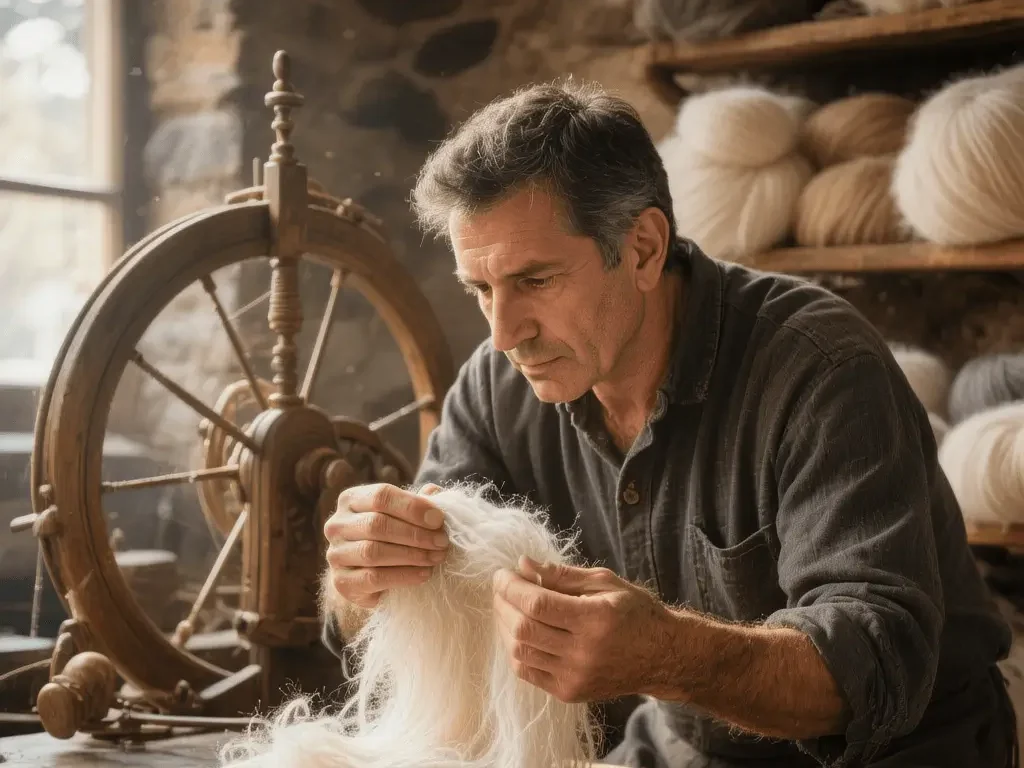
Spinning creates durability: Italian mills spin cashmere at lower tension than wool to prevent stress on delicate fibers. They create two-ply or three-ply yarn—multiple strands twisted together for strength. Single-ply feels softer initially, but pills faster and develops holes within two years.
Knitting is done on specialized machines or by hand, depending on the brand and price point. Machine-knit pieces cost less but still exceed most hand-knit imports in quality.
Italian operators constantly adjust the tension during production, ensuring even stitches throughout. Hand-knit sweaters from top Italian cashmere brands typically take over 40 hours to complete.
Italian Cashmere Brands Price Guide: What You Actually Get at Each Level
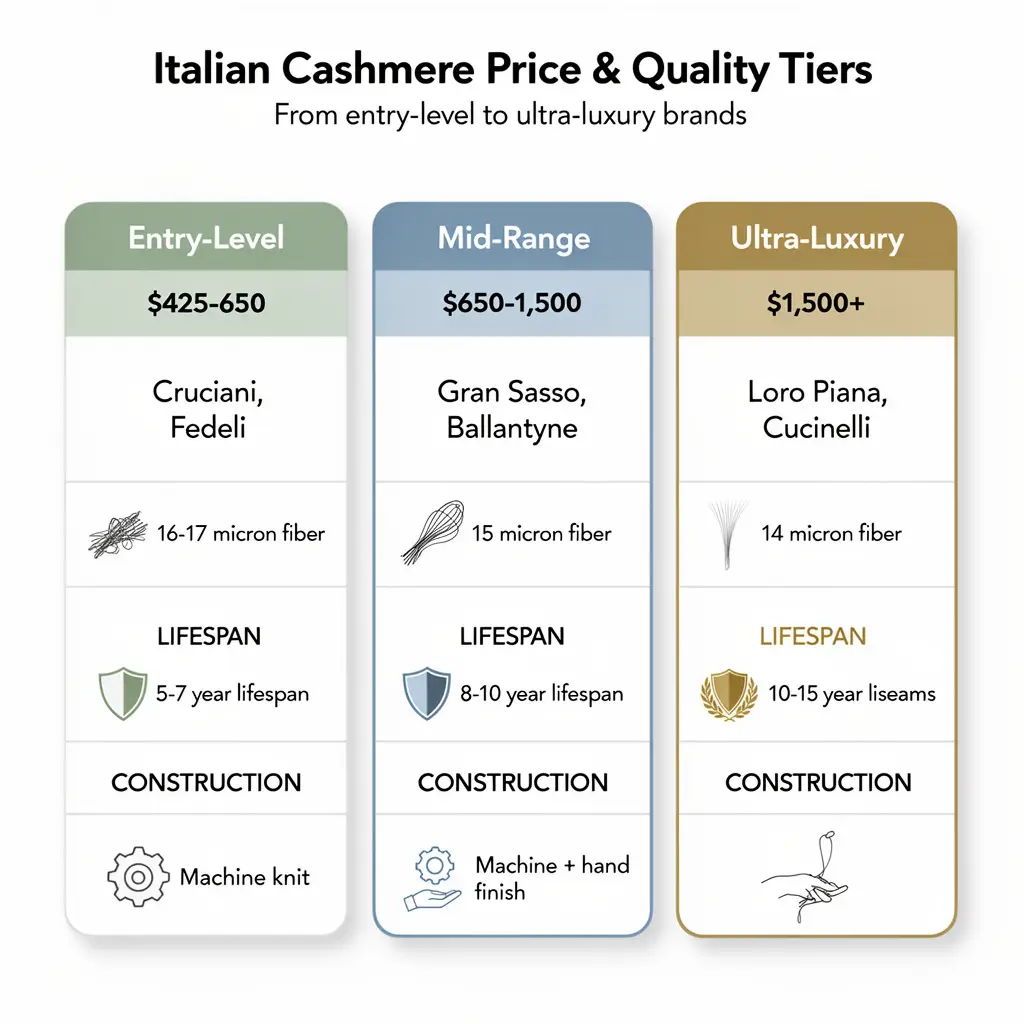
1. Entry-Level Italian Cashmere Brands ($425-$650)
Several Italian cashmere brands offer accessible prices without compromising on quality. Brands like Fedeli and Cruciani produce sweaters using slightly thicker fibers—16-17 microns, rather than 14-15 microns. Microns. You’ll notice less extreme softness, but equal durability.
What to Expect: These pieces are well-suited for everyday wear. The knit is tighter, making them less prone to snagging. Colors tend toward classic shades: navy, charcoal, and camel. You won’t get exotic shades or ultra-lightweight summer cashmere.
Watch for sales at authorized retailers. Entry-level Italian cashmere brands often offer significant discounts after Christmas and in July. A $495 sweater drops to $247, putting it below department store brands that won’t last half as long.
2. Mid-Range Italian Cashmere Brands ($650-$1,500)
This bracket features some of the most respected Italian cashmere brands. You’re paying for 15-micron fiber, careful processing, and superior construction. Seams get reinforced at stress points. Necklines feature ribbed knitting that maintains their shape for years.
Key players: Gran Sasso and Ballantyne sit here. Their collections offer a variety of styles, including turtlenecks, V-necks, cardigans, and pullovers, available in over 20 colors per season. The hand feels approaches luxury brands at half the price.
The difference emerges after 3-4 years. Luxury Italian cashmere brands utilize longer-staple fibers that resist pilling more effectively. Mid-range options tend to show wear around the elbows and cuffs sooner. For most buyers, the value makes sense. You can own three mid-range pieces instead of one luxury item.
3. Ultra-Luxury Italian Cashmere Brands ($1,500+)
Loro Piana, Brunello Cucinelli, and Kiton occupy this tier. Your money buys several advantages beyond basic quality.
What the premium buys:
- 14-micron fiber or finer (some baby cashmere at 13.5 microns)
- Hand-linked seams that are completely flat and invisible
- Tighter-gauge ribbing at cuffs and hems that springs back after stretching
- Button plackets with hidden reinforcement tape preventing sagging
- Natural dyes cost five times more than synthetic options
- Special finishing treatments resisting static and pet hair
These Italian cashmere brands offer a guarantee on their products. Loro Piana offers free repairs for the first five years. Cucinelli will reweave holes at no charge. Factor in decades of wear, and the cost per use drops below that of cheaper alternatives, which require replacement every few years.
How to Authenticate Italian Cashmere Brands and Avoid Counterfeits
1. Reading Labels Correctly
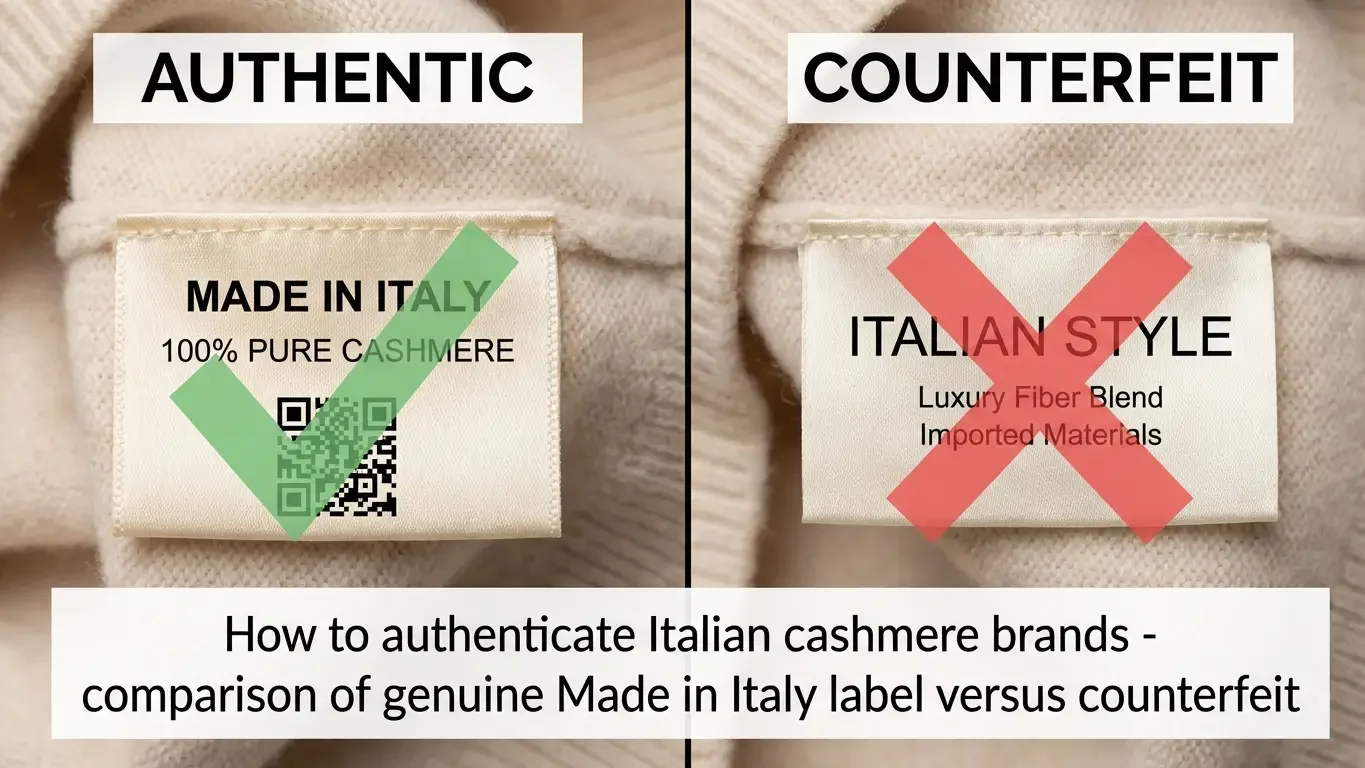
Real Italian cashmere brands provide detailed labels. Look for “Made in Italy” printed directly on the care tag, not just the brand tag. Counterfeiters use vague phrasing like “Italian Design” or “Italian Style” to mislead buyers.
What authentic labels show:
- Fiber content stating “100% Cashmere” or the exact percentage if blended
- Manufacturer information, including the city and region in Italy
- Loro Piana products are specified as “Quarona, Italy.”
- Cucinelli tags read “Solomeo, Italy.”
Many top Italian cashmere brands now utilize QR codes or NFC chips on their labels. Scan these with your phone to verify authenticity through the brand’s website. This technology, introduced in 2022, is becoming a standard for luxury pieces.
2. The Touch Test for Italian Cashmere Brands
Your hands reveal what labels can’t. Italian cashmere brands produce fabric that feels uniformly soft across the entire garment. Run your palm over the surface. Genuine cashmere should feel smooth and not catch on your skin. Cheap imitations often mix synthetic fibers, creating a slightly tacky sensation.
Stretch test: Gently stretch the fabric and release it. Quality Italian cashmere brands use knits that recover immediately, returning to their original shape. Fakes stay stretched or recover slowly because counterfeiters use shorter fibers or less expensive processing, which damages the fiber structure.
Check the weight. A genuine cashmere sweater from an Italian cashmere brand feels substantial yet not heavy. Fakes tend toward extremes—too light because they’re mixed with polyester, or too heavy because they’re made with thick, low-grade fibers. A quality crew-neck sweater should weigh 200-300 grams.
3. Price Reality Checks
No authentic Italian cashmere brand sells sweaters for $100. Production costs alone exceed that figure. Raw cashmere costs $80 to $ 120 per kilogram. A single sweater needs 250-300 grams of fiber. Add Italian labor, overhead, and retail markup—legitimate pieces typically start at a minimum of $400.
Red flags to watch:
- “Warehouse sales” offering 80-90% discounts on Italian cashmere brands
- Real outlets discount last season’s styles by 30-50%, not 80%
- A $2,000 Loro Piana sweater listed at $200 is definitely fake
Compare prices across authorized retailers. Italian cashmere brands maintain consistent pricing. A Cucinelli sweater costs roughly the same at Bergdorf Goodman, Neiman Marcus, and the brand’s website. Significant price variations often indicate unauthorized dealers selling counterfeit or damaged goods.
Where to Buy Italian Cashmere Brands: Your Complete Shopping Guide
1. Authorized Department Stores
Major department stores carry multiple Italian cashmere brands. Nordstrom stocks Loro Piana, Cucinelli, and Gran Sasso. Neiman Marcus offers the widest selection of luxury Italian cashmere brands, including harder-to-find names like Kiton and Isaia.
Service advantages: Department stores provide seasonal sales, easy returns, and loyalty programs. Staff knowledge varies, so research your preferred brands before making a purchase.
2. Specialty Boutiques for Italian Cashmere Brands
Specialty boutiques provide superior service and expertise. Staff at stores like Mitchells in Connecticut or Wilkes Bashford successors understand Italian cashmere brands deeply. They’ll explain differences between manufacturers, help with sizing, and offer honest opinions about value.
Brand flagship stores give you the complete experience. Loro Piana operates boutiques in major cities worldwide. You’ll see their full range, including pieces that have never been sold to department stores. Staff can order custom colors and sizes. The trade-off is zero discounting—you always pay full retail.
3. Factory Outlet Shopping Strategies
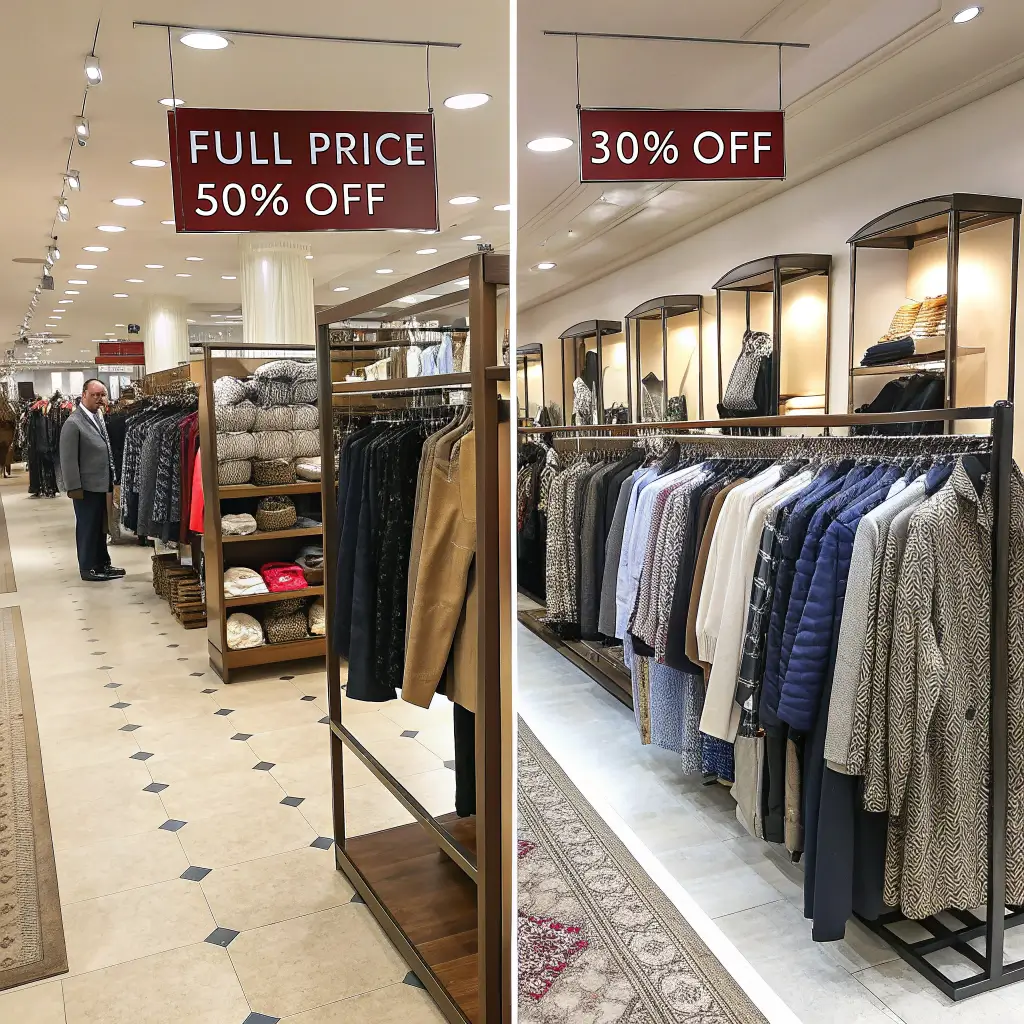
Legitimate Italian cashmere brands operate factory outlets. Loro Piana has locations in Woodbury Common (New York) and other premium outlet malls. Prices drop 30-50% on past-season inventory. Quality remains identical to full-price stores.
Best time to visit: January and July. Italian cashmere brands ship new markdown merchandise after Christmas and mid-summer. You’ll find current styles that didn’t sell well, not just ancient stock. Arrive early—serious buyers line up before the store opens on markdown days.
Inspect outlet purchases carefully. Some Italian cashmere brands mark “irregular” items with cut tags or special stamps. These pieces have minor flaws—a pulled thread, uneven dye—that don’t affect wear but explain the discount.
4. Online Shopping for Italian Cashmere Brands
Buy Italian cashmere brands only from authorized websites. Check the brand’s official website for a list of approved online retailers. Mr. Porter, MatchesFashion, and Farfetch are legitimate. Random websites offering steep discounts probably sell fakes.
Protection strategies:
- Read return policies before ordering (legitimate retailers allow 30-day returns)
- Use credit cards with purchase protection
- Avoid wire transfers or cryptocurrency payments
- Save all order confirmation emails and photos
Caring for Your Italian Cashmere Brands Investment
You’ve spent a significant amount on Italian cashmere brands. Proper care makes pieces last decades instead of years.
Washing Guidelines
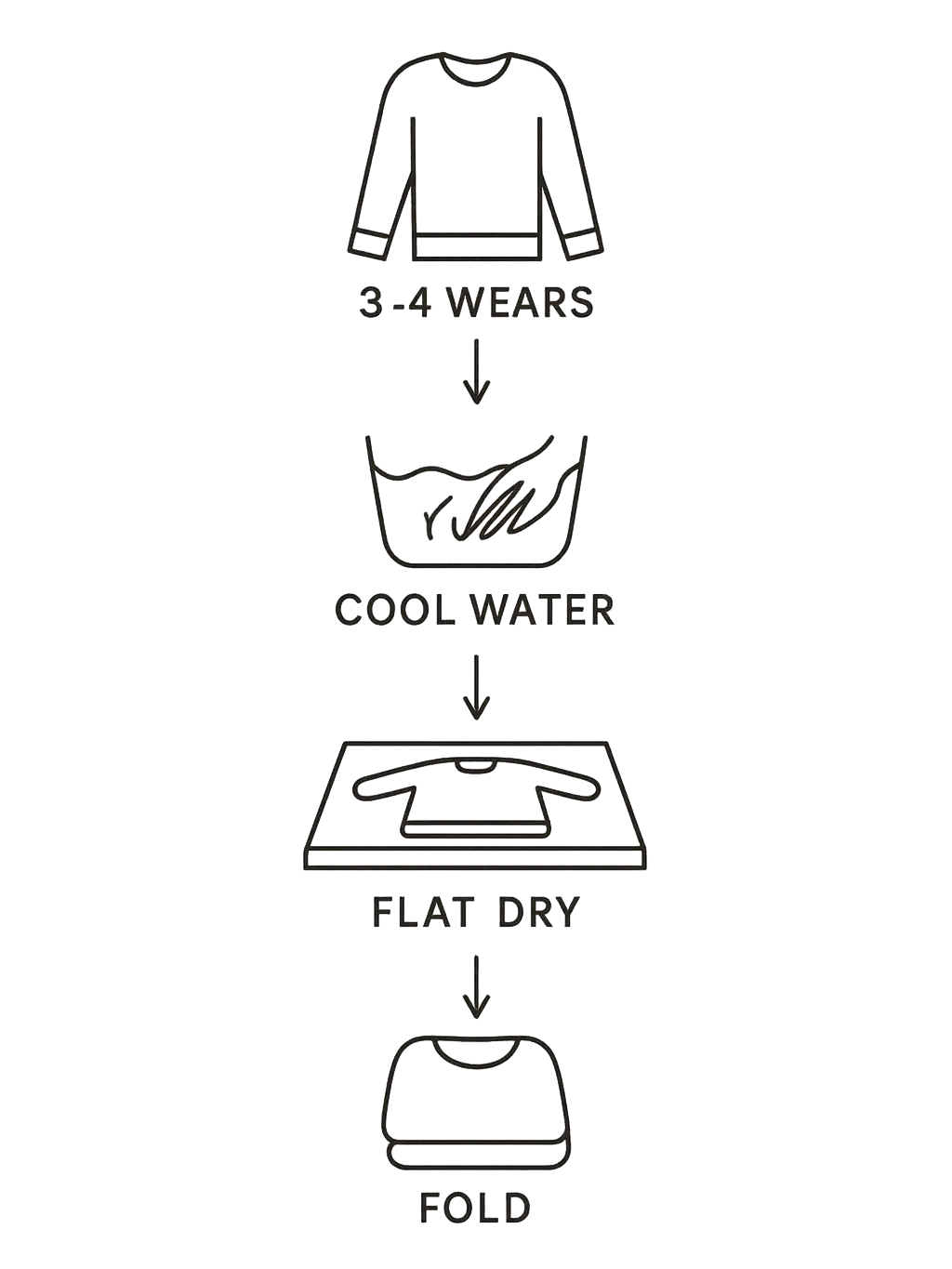
Wear cashmere 3-4 times before washing. Italian cashmere brands create fabrics that resist odors. Over-washing causes pilling and weakens fibers. Spot-clean small stains with cool water and baby shampoo instead of full washing.
Hand-wash process:
- Fill the basin with cool water
- Add a capful of cashmere-specific detergent (avoid regular detergent with enzymes)
- Submerge the sweater and gently squeeze water through the fabric
- Never wring or twist
- Rinse thoroughly in cool water
Dry flat on a towel away from heat and sunlight. Roll the wet sweater in a clean towel to absorb excess water. Reshape it to its original dimensions and lay flat on a fresh towel. Drying takes 24 hours. Never hang cashmere wet—the weight stretches it permanently.
Storage Best Practices
Store Italian cashmere brands folded, not hung. Hangers create shoulder bumps and stretch fabric. Use cedar blocks instead of mothballs in your closet. Moths destroy cashmere, but mothball chemicals can discolor it.
Seasonal storage:
- Clean pieces before storing (moths target food stains and body oils)
- Fold sweaters loosely to prevent creasing
- Place cedar blocks or lavender sachets in storage containers
- Use breathable cotton storage bags, not plastic
- Store in a cool, dry location away from direct sunlight
Maintaining Quality
Remove pills with a cashmere comb, not a razor. Pills form naturally as short fibers work free during wear. Quality Italian cashmere brands pill less than cheap versions, but it still happens. A cashmere comb gently lifts pills without cutting fabric.
Professional cleaning once a season helps maintain quality. Find a cleaner experienced with luxury Italian cashmere brands. They use gentle solvents and hand-press instead of machine-pressing, which flattens the knit texture. The cost runs $18-28 per piece, making it worthwhile for garments costing hundreds or thousands.
Italian cashmere brands earned their reputation through uncompromising quality and centuries of textile expertise. Start with one quality piece from established brands like Cruciani or Gran Sasso rather than multiple cheaper alternatives. A single sweater from proven Italian cashmere brands teaches you what real cashmere feels like and why people invest in these products year after year.
The difference between Italian cashmere and mass-market alternatives becomes clear upon first wearing. You’re not just buying a sweater—you’re investing in craftsmanship that respects both materials and tradition.
Frequently Asked Questions About Italian Cashmere Brands
Which Italian cashmere brand offers the best value for money?
Cruciani and Gran Sasso offer exceptional value at $425-$895. They use the same Biella mills as luxury houses but skip the costs associated with celebrity marketing.
How can I tell if my Italian cashmere is authentic?
Check for “Made in Italy” on care tags, verify QR codes through the brand’s website, and perform the stretch test. Authentic pieces recover immediately when stretched and released.
Do all Italian cashmere brands use Mongolian fiber?
Yes. Mongolia produces approximately 70% of the world’s cashmere due to its extreme climate conditions, which create the finest fibers.
What’s the difference between 14-micron and 19-micron cashmere?
Fiber diameter directly affects softness. 14-micron feels noticeably softer and more luxurious than 19-micron. Top Italian cashmere brands use only 14-15 micron fiber.
How long should Italian cashmere last?
Quality pieces from established Italian cashmere brands last 10-15 years with proper care. Entry-level brands typically last 5-7 years.


