
Finding the right bicycle helmet can feel overwhelming with so many options available. Whether you’re commuting through city streets or enjoying weekend rides, wearing a quality helmet is one of the most important safety decisions you’ll make as a cyclist.
In this comprehensive guide, we’ve tested and compared dozens of bicycle helmets to bring you the top 7 options that excel in safety, comfort, and value. Each helmet has been evaluated based on strict criteria including impact protection, fit adjustability, ventilation, and real-world performance.
Why Bicycle Helmet Safety Matters
Every year, thousands of cycling accidents occur where a quality helmet makes the difference between a minor incident and a serious injury. Modern bicycle helmets use advanced safety technologies like MIPS (Multi-directional Impact Protection System) and shock-absorbing materials that can reduce the risk of head injuries by up to 70%.
But safety isn’t just about impact protection. A good helmet also needs proper fit, visibility features like LED lights and reflective strips, and comfort that encourages you to wear it consistently. The helmets featured in this guide meet all these requirements and more.
Top 7 Best Bicycle Helmets for 2025
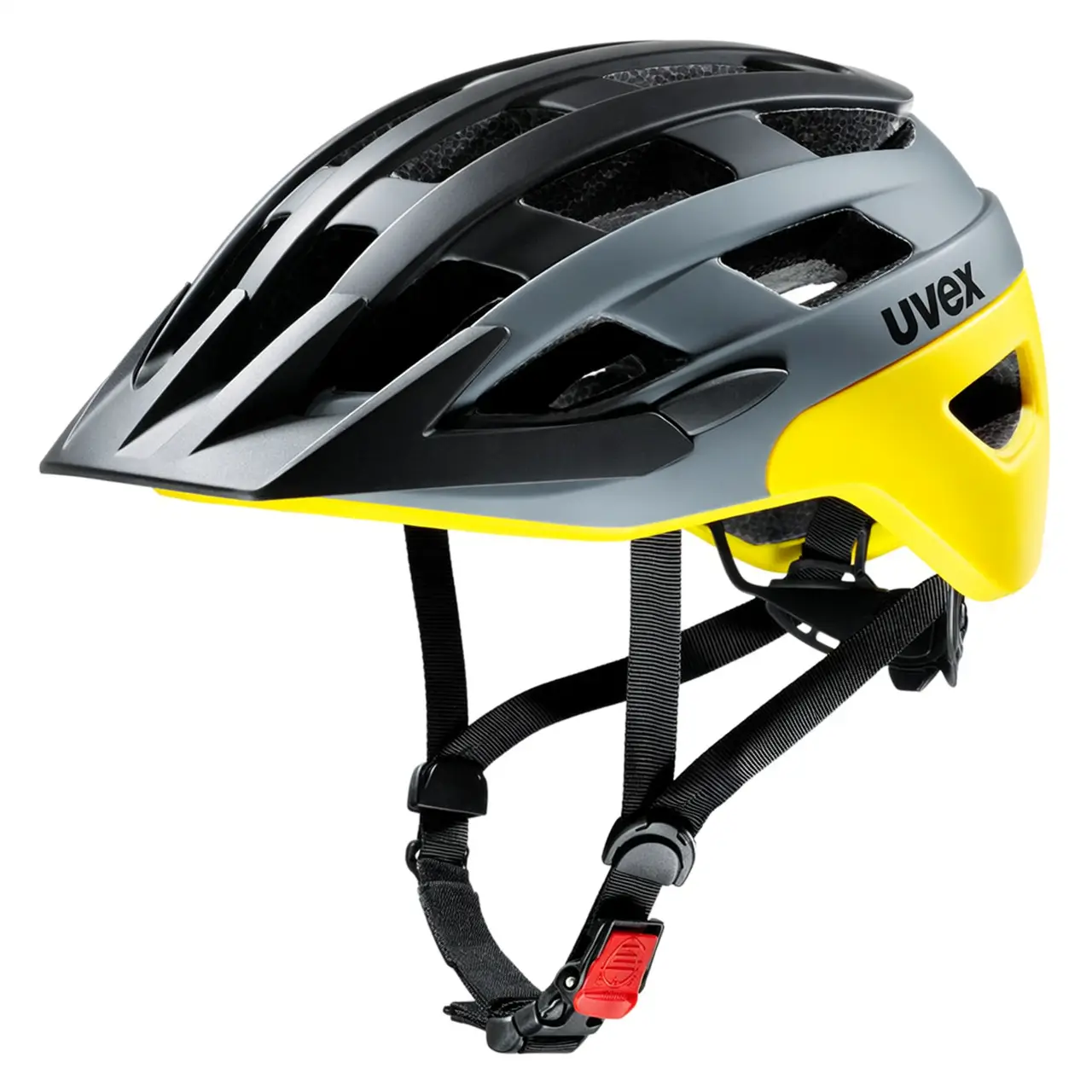
1. Best Overall: Uvex City I-Vo MIPS Helmet
The Uvex City I-Vo MIPS stands out as our top recommendation for cyclists who want premium protection without compromise. This helmet combines cutting-edge safety features with exceptional comfort.
Key Features:
- MIPS technology provides rotational impact protection during crashes
- IAS adjustment system allows perfect customization for any head shape
- Integrated LED rear light with reflective stripes for enhanced visibility
- Available in sizes 56-60 cm with further adjustability
- Well-designed ventilation system keeps your head cool
- Soft, comfortable chin strap that doesn’t irritate skin
Why We Recommend It: The Uvex City I-Vo MIPS offers the best balance of safety, comfort, and features. The MIPS system provides extra protection against angled impacts, which are common in real-world cycling accidents. The sleek design also looks professional whether you’re commuting to work or riding for exercise.
Best For: Daily commuters, urban cyclists, and anyone who values top-tier safety features.
2. Best for Speed Pedelecs: Fischer Fahrrad Urban Plus
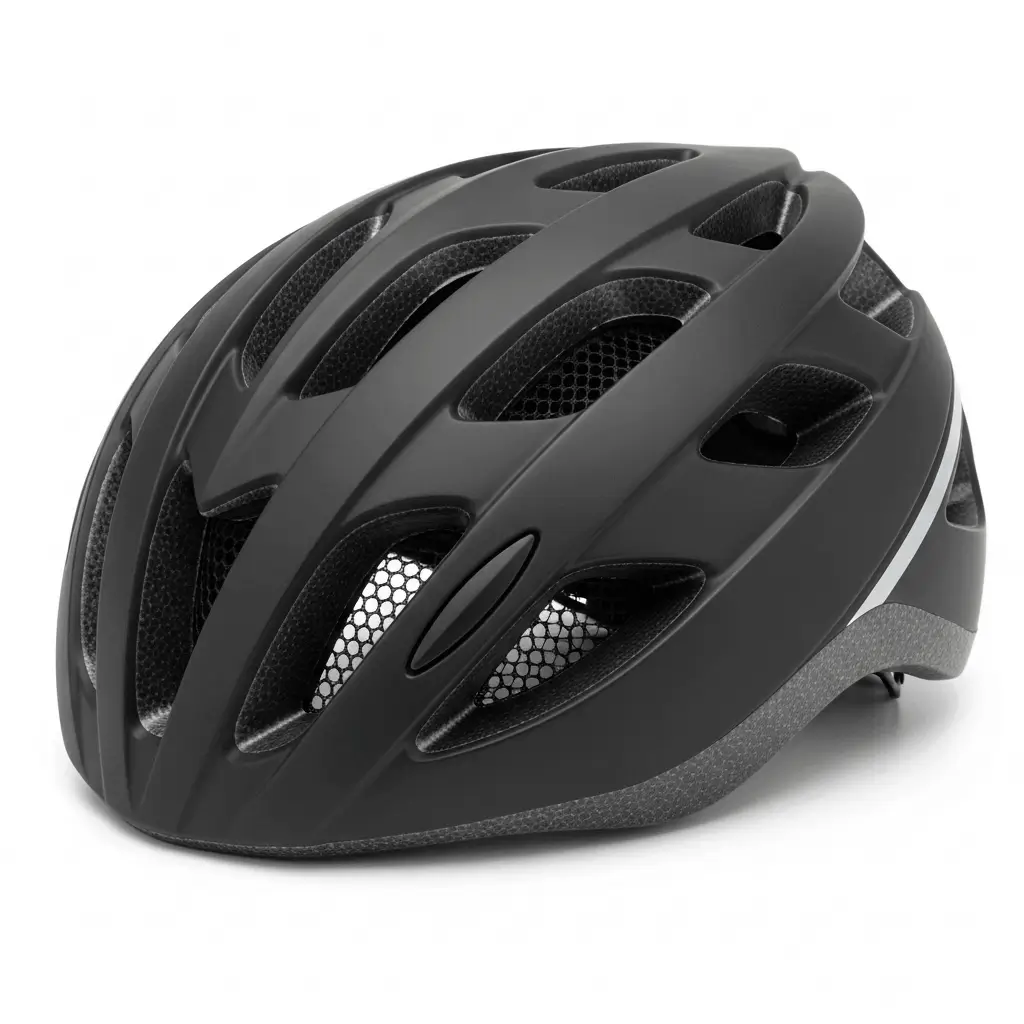
If you ride an electric bike or speed pedelec, the Fischer Fahrrad Urban Plus delivers the enhanced protection these faster rides demand.
Key Features:
- Reinforced inner shell designed for higher-speed impacts
- Integrated rear light with reflective safety strips
- Ultra-lightweight at only 326 grams
- Soft, removable padding for easy cleaning
- Adjustable fit system for head circumferences 58-61 cm
- Available in sleek black finish
Why We Recommend It: The Fischer Fahrrad Urban Plus meets higher safety standards required for speed pedelec use while maintaining remarkable comfort. Despite its robust construction, this helmet weighs less than many standard models, reducing neck fatigue on longer rides.
Best For: Electric bike riders, speed pedelec users, and cyclists who frequently ride at higher speeds.
3. Best Value: Abus Stad Villite 2.0
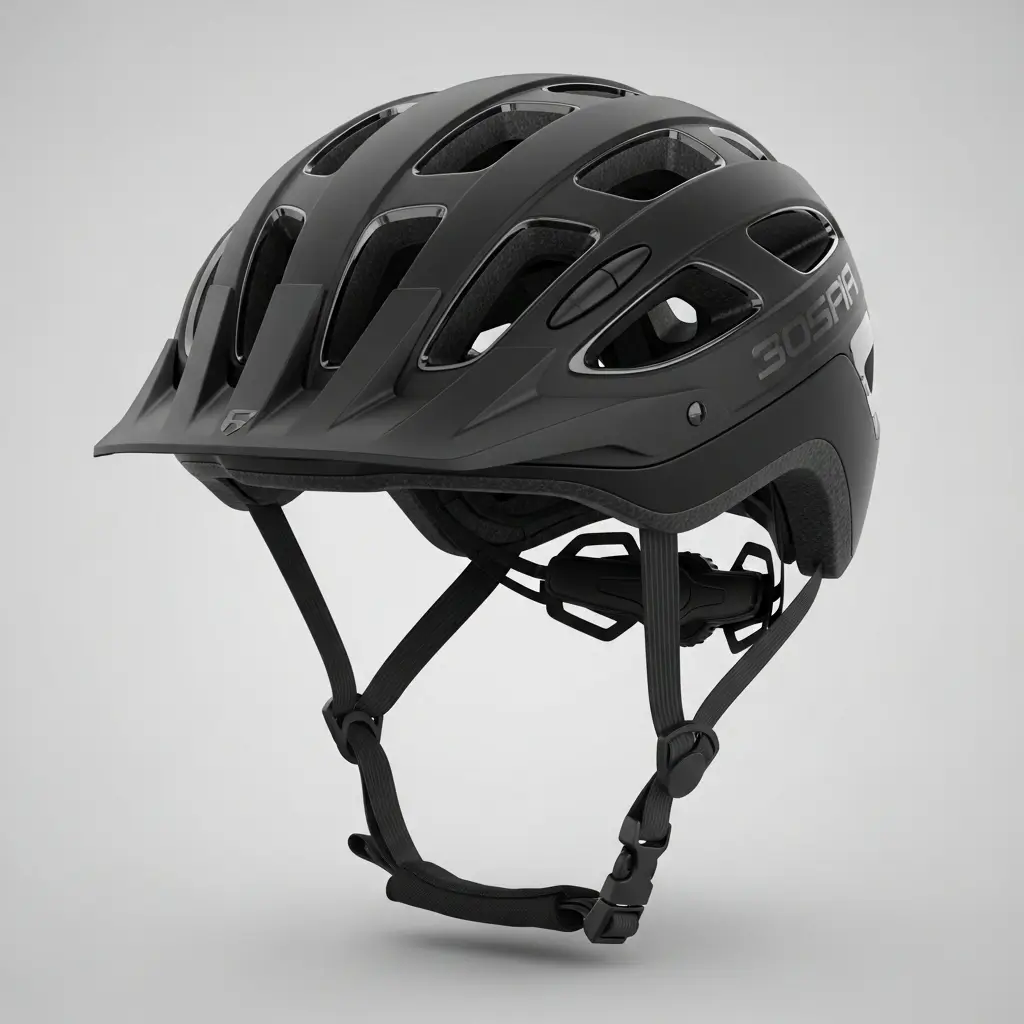
The Abus Stad Villite 2.0 proves you don’t need to spend a fortune to get excellent protection and features.
Key Features:
- Durable construction with comfortable soft padding
- Removable and washable interior padding
- Strategic ventilation holes with integrated mosquito net
- Fully integrated rear lights built into helmet design
- Available in multiple sizes to fit most riders
- Excellent price-to-performance ratio
Why We Recommend It: This helmet offers features typically found in more expensive models, including integrated lighting and washable padding. The mosquito net is a thoughtful addition for summer riding, preventing insects from entering through ventilation holes.
Best For: Budget-conscious cyclists, recreational riders, and anyone seeking great value without sacrificing safety.
4. Best Safety Features: Abus Urban-I 3.0 MIPS
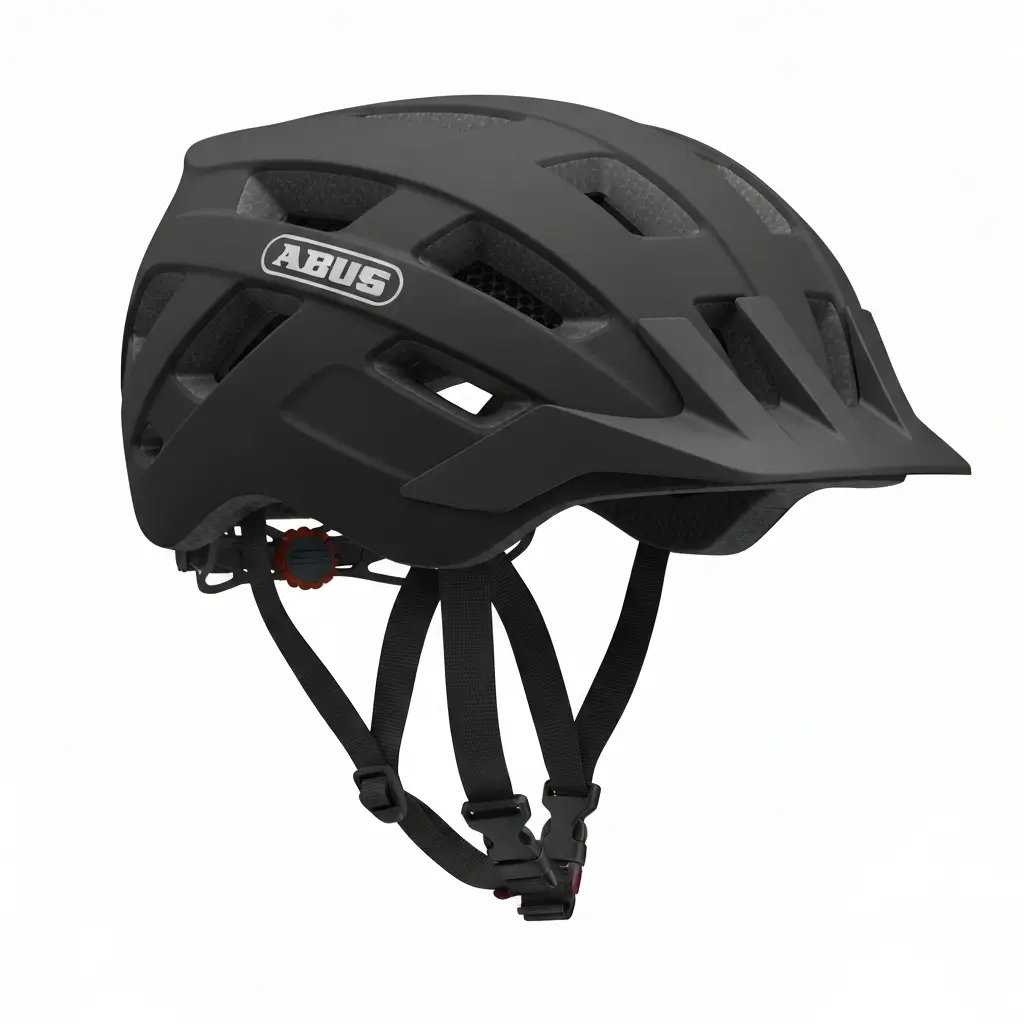
For cyclists who prioritize maximum protection, the Abus Urban-I 3.0 MIPS delivers certified safety with advanced technology.
Key Features:
- EN 1078 European safety certification
- MIPS system for enhanced rotational impact protection
- Patented Zoom Ace Urban adjustment system for precise fit
- Insect mesh protection over all ventilation openings
- Bright integrated LED rear light
- Available from ANWB in various sizes
Why We Recommend It: This helmet earned high marks in independent safety testing and includes both MIPS technology and proper certification. The Zoom Ace adjustment system allows for micro-adjustments that ensure the helmet stays securely positioned during your ride.
Best For: Safety-conscious riders, commuters in high-traffic areas, and cyclists who want certified protection.
5. Most Stylish: Alpina Haga LED
The Alpina Haga LED proves that safety and style can coexist, offering a sophisticated matte black finish with excellent protection.
Key Features:
- Advanced shock-absorbing system for impact protection
- Integrated LED lights for 360-degree visibility
- Attractive matte black design that complements any bike
- Well-placed ventilation openings for airflow
- Soft interior that feels comfortable immediately
- Easy adjustment system for quick fit modifications
Why We Recommend It: The Alpina Haga LED performed exceptionally well in our comfort tests while maintaining a sleek appearance. The LED lighting system makes you highly visible to drivers, which is crucial for urban riding safety.
Best For: Style-conscious cyclists, urban commuters, and riders who want a helmet that looks as good as it performs.

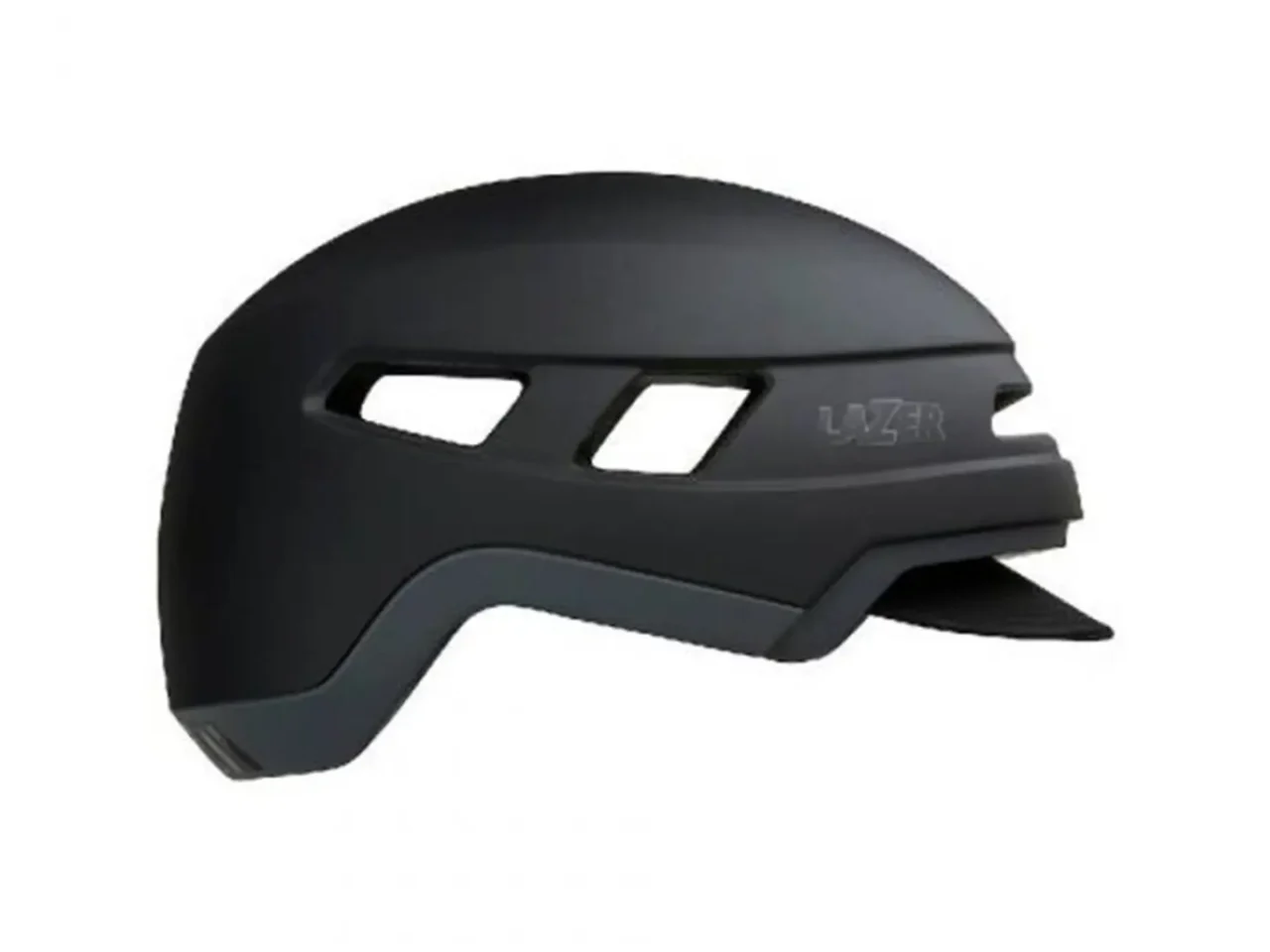
6. Best Minimalist Design: Lazer Cruizer
The Lazer Cruizer takes a streamlined approach to helmet design, offering excellent protection without unnecessary complexity.
Key Features:
- Snug, secure fit that hugs the head comfortably
- Rear adjustment dial for easy fit customization
- Multiple ventilation holes for summer cooling
- Clean, minimalist black design
- No chin strap for those who prefer this style
- Available in various sizes for different head shapes
Why We Recommend It: Some cyclists prefer a simpler helmet design without extra features. The Lazer Cruizer delivers solid protection and comfort in a no-frills package. The abundant ventilation makes this helmet particularly comfortable for warm-weather riding.
Best For: Minimalist cyclists, warm-climate riders, and anyone who prefers simple, effective design.
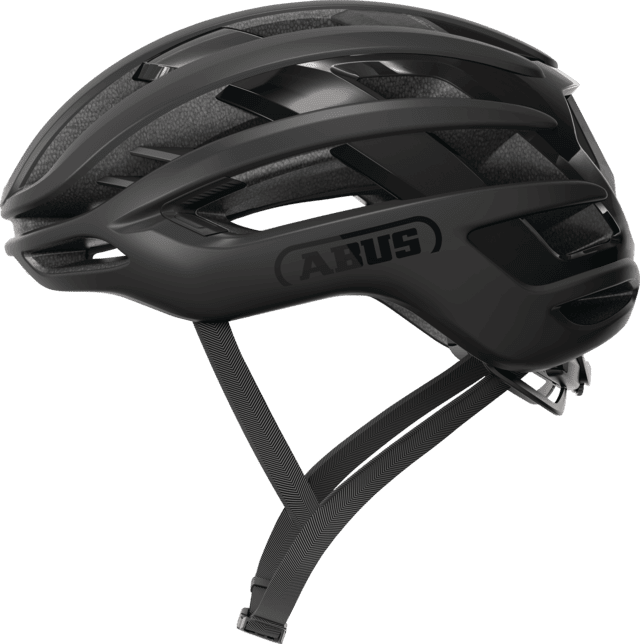
7. Best Lightweight Option: Abus Macator
For cyclists who prioritize comfort through reduced weight, the Abus Macator delivers impressive protection in a featherlight package.
Key Features:
- Exceptionally light construction reduces neck strain
- Soft, removable padding for easy maintenance
- Ventilation system with protective insect mesh
- Includes integrated sun visor for eye protection
- Available in multiple sizes and color options
- Simple adjustment system for quick fit changes
Why We Recommend It: Weight matters when you’re wearing a helmet for extended periods. The Abus Macator’s lightweight design significantly reduces fatigue on long rides while still providing certified protection. The included sun visor is a practical bonus that eliminates the need for a separate cycling cap.
Best For: Long-distance riders, cyclists sensitive to helmet weight, and those who ride in sunny conditions.
Understanding Different Types of Bicycle Helmets
Choosing the right helmet starts with understanding which type matches your riding style. Different cycling disciplines have evolved specialized helmet designs.
1. City and Commuter Helmets
Designed for urban riding, these helmets prioritize visibility features like lights and reflective elements. They typically offer more coverage around the back and sides of the head and include practical features like integrated visors.
2. Mountain Bike Helmets
Built to withstand impacts from branches and rocks, mountain bike helmets extend further down the back of the head. They’re designed to absorb multiple smaller impacts rather than single large ones.
3. Speed Pedelec Helmets
These helmets meet higher safety standards required for electric bikes that can reach 45 km/h. They feature reinforced construction and often include additional coverage.
4. Racing Bike Helmets
Focused on aerodynamics and weight reduction, racing helmets use streamlined designs to reduce wind resistance. Many include visors to protect against insects at high speeds.
5. BMX Helmets
These provide more complete coverage around the back and sides, protecting against the types of falls common in BMX riding and tricks.
Complete Buying Guide: How to Choose Your Perfect Helmet
1. Getting the Right Fit
Proper fit is the single most important factor in helmet safety. A helmet that doesn’t fit correctly cannot provide adequate protection.
Measuring Your Head Size: Take a soft measuring tape and measure the circumference of your head at its widest point, just above your eyebrows and ears. This measurement determines your helmet size:
- Under 57 cm: Size Small
- 57-59 cm: Size Medium
- Over 59 cm: Size Large
Testing the Fit: When you try on a helmet, it should feel snug but not painfully tight. Shake your head side to side and forward and back. The helmet should move with your head, not slide around independently. The front edge should sit about one finger-width above your eyebrows.
Most quality helmets include adjustable straps and internal fit systems that let you fine-tune the fit after determining your base size.
2. Essential Safety Features
EN 1078 Certification: All bicycle helmets sold in Europe must meet EN 1078 safety standards. This certification means the helmet has passed rigorous impact testing. Always verify that any helmet you consider displays this certification.
MIPS Technology: The Multi-directional Impact Protection System adds a low-friction layer inside the helmet that allows slight rotation during impact. This technology reduces rotational forces on the brain, which cause many serious injuries. While MIPS helmets cost slightly more, they offer measurably better protection.
WaveCel System: An alternative to MIPS, WaveCel uses a collapsible cellular structure that flexes and glides during impact. This system also addresses rotational forces while adding minimal weight.
Angi Crash Detection: Some advanced helmets include Angi technology that detects severe impacts and can automatically send alert messages to emergency contacts you designate. This feature provides peace of mind for solo riders.
3. Visibility and Lighting
Reflective Elements:** Reflective strips or decals on your helmet make you visible to drivers in low-light conditions. Look for helmets with reflective materials on the back and sides for 360-degree visibility.
Integrated LED Lights: Built-in lights eliminate the need to remember a separate rear light. The best systems include multiple flash patterns and good battery life. Some lights are rechargeable while others use replaceable batteries.
4. Comfort Features
Ventilation Design: Good airflow prevents overheating and reduces sweat buildup. Look for helmets with multiple vents positioned to channel air over your head. Some helmets include insect mesh over vents to prevent bugs from entering.
Padding Quality: Soft, moisture-wicking padding improves comfort significantly. The best helmets use removable padding that you can wash regularly to prevent odor buildup.
Weight Considerations: Lightweight helmets (under 300 grams) reduce neck strain during long rides. However, very light helmets sometimes sacrifice padding or features, so balance weight against other priorities.
Chin Strap Comfort: The chin strap should be adjustable and include soft padding where it contacts your skin. Some straps include divider systems that prevent the strap from pressing against your throat.
5. Design and Aerodynamics
Color Selection: Bright colors like yellow, orange, or white increase your visibility to drivers. However, dark colors may better match your personal style. Consider your typical riding conditions when choosing.
Aerodynamic Shaping: If you frequently ride into headwinds or at higher speeds, aerodynamic design reduces drag. Racing-style helmets feature smooth, teardrop shapes that slice through air efficiently.
Visor Options: Built-in visors protect your eyes from sun and rain. Some visors are adjustable or removable, giving you flexibility based on conditions.
6. Price and Value
Quality bicycle helmets typically range from €50 to €150. The average price for the helmets in our top seven is approximately €100.
Budget Options (€50-75): At this price point, you’ll find basic protection meeting safety standards with fewer premium features. These helmets work well for recreational riders who cycle occasionally.
Mid-Range Options (€75-120): This category offers the best value, combining certified safety with comfort features like better ventilation, adjustable fit systems, and often integrated lights.
Premium Options (€120+): High-end helmets include advanced technologies like MIPS, superior ventilation, lighter materials, and often more refined aesthetics. These are ideal for daily commuters and enthusiasts.
Differences Between Men’s and Women’s Bicycle Helmets
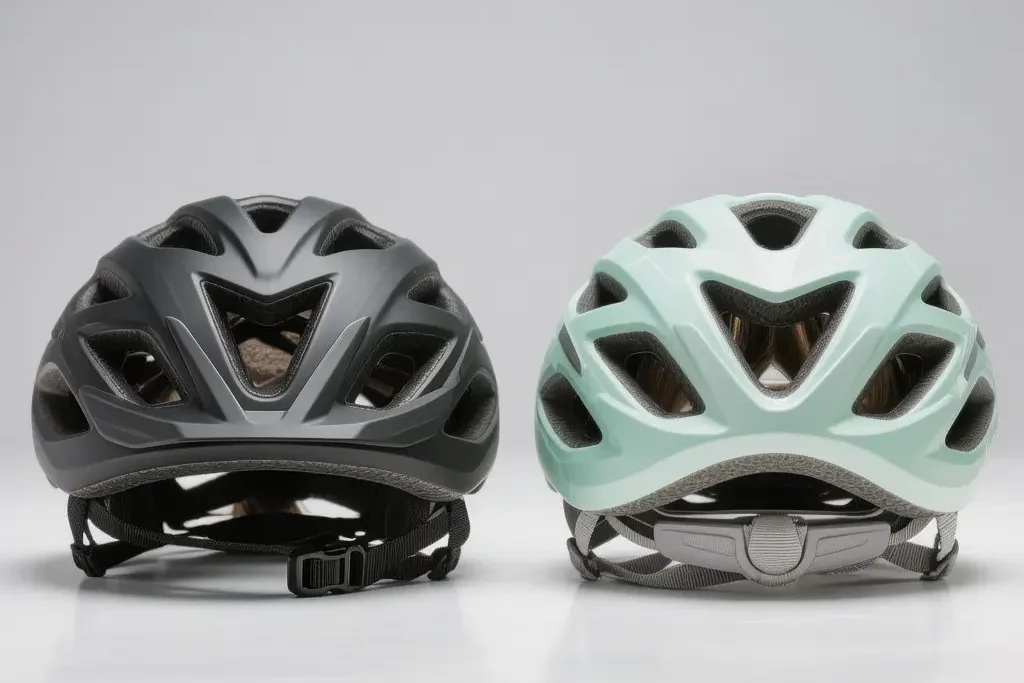
While most modern bicycle helmets are designed as unisex products, some manufacturers create gender-specific models.
Fit Differences: Women’s helmets typically accommodate slightly smaller head sizes and may feature different internal shaping to account for common differences in head shape. However, these differences are relatively minor.
Design Preferences: Women’s-specific helmets often use different color palettes, favoring lighter or more vibrant colors. However, this is purely aesthetic, and many cyclists choose helmets based on safety features rather than gendered marketing.
Important Note: Always choose a helmet based on proper fit, safety features, and comfort rather than gender labels. The best helmet for you is the one that fits your head correctly and meets your riding needs.
Where to Purchase Your Bicycle Helmet
Quality bicycle helmets are widely available both online and in physical stores.
Recommended Retailers:
- Bol.com – Wide selection with customer reviews and competitive pricing
- Decathlon – Affordable options with in-store fitting services
- Specialized bicycle shops – Expert advice and professional fitting
- Online cycling retailers – Often best prices with detailed specifications
Buying Tips:
- If purchasing online, carefully measure your head and check the retailer’s return policy
- In-store purchases allow you to test fit and compare multiple models
- Read customer reviews focusing on fit accuracy and long-term comfort
- Check for sales during off-season months (autumn and winter)
Frequently Asked Questions About Bicycle Helmets
How were the best bicycle helmets selected for this list?
We conducted extensive testing and comparison of numerous bicycle helmets from various manufacturers. Our evaluation criteria included safety certifications, impact protection technology, comfort during extended wear, adjustment system effectiveness, ventilation performance, visibility features, and overall value for money. Only helmets that excelled across multiple categories made our final top seven list.
Why should I wear a bicycle helmet?
Bicycle helmets reduce the risk of serious head injury by approximately 70% and the risk of severe brain injury by 65% according to safety research. Helmets protect against skull fractures, concussions, and traumatic brain injuries. Even low-speed falls can result in head impacts, making helmets essential for all types of cycling, not just high-speed or mountain biking.
How much does a lightweight bicycle helmet weigh?
Lightweight bicycle helmets typically weigh under 300 grams. Some ultra-light racing helmets can weigh as little as 200 grams, while most comfortable commuter helmets with integrated lights and good padding weigh between 280-350 grams. The helmets in our top seven range from 280 to 380 grams.
What does a good bicycle helmet cost on average?
Quality bicycle helmets that meet safety standards and include modern comfort features average around €100. Our top seven helmets range from approximately €50 for budget-friendly options to €140 for premium models with advanced technology like MIPS. This price range provides excellent value and proven protection.
How do I recognize a safe bicycle helmet?
Safe bicycle helmets display EN 1078 certification, which confirms they’ve passed European safety testing standards. Additional safety indicators include MIPS or WaveCel technology for rotational impact protection, proper adjustable fit systems, adequate coverage of the head without obstructing vision or hearing, and quality construction without visible defects. Always purchase from reputable retailers who sell certified products.
How often should I replace my bicycle helmet?
Replace your helmet immediately after any significant impact, even if no visible damage appears. The protective foam inside may be compressed without external signs. Without impacts, replace helmets every 5 years as UV exposure, sweat, and general wear degrade materials over time. Check your helmet’s manufacturing date (usually printed inside) to track its age.
Can I wear a bicycle helmet in rain?
Yes, quality bicycle helmets are designed to be worn in all weather conditions. The ventilation holes allow water drainage, though your head may get wet. Some helmets include removable rain covers for the vents if you prefer to stay drier. Avoid storing wet helmets in closed spaces, always air dry them completely.
Do more expensive helmets provide better protection?
Not necessarily. All helmets sold legally must meet the same basic safety standards (EN 1078). However, premium helmets often include additional protection technologies like MIPS, better quality materials, superior comfort features, and more durable construction. The most expensive helmet isn’t automatically the safest, but it may offer enhanced protection and comfort worth the investment for frequent riders.
Final Recommendations: Choosing Your Ideal Helmet
After testing dozens of helmets, we’ve identified these top choices for different rider types:
Best for Most Cyclists: The Uvex City I-Vo MIPS offers the ideal combination of safety, comfort, and features that work well for commuters and recreational riders.
Best Budget Choice: The Abus Stad Villite 2.0 provides excellent value with integrated lights and comfortable padding at an affordable price.
Best for Daily Commuters: The Abus Urban-I 3.0 MIPS combines certified safety with practical features like excellent visibility and easy adjustment.
Best for Long Rides: The Abus Macator’s lightweight design reduces fatigue while the sun visor adds practical sun protection.
Remember that the safest helmet is the one you’ll actually wear consistently. Choose a helmet that fits comfortably, matches your riding style, and includes features you’ll use regularly. Proper fit matters more than any other factor, so take time to measure carefully and adjust all systems correctly.
Investing in a quality bicycle helmet is investing in your safety and peace of mind. The helmets featured in this guide represent the best options available today, combining proven protection with modern comfort and features that enhance your cycling experience.


