
You know that feeling when your favorite leggings start to pill after just three washes? Or when the elastic in your sports bra gives out before you’ve even broken a sweat? That’s not normal wear and tear. That’s what happens when you buy workout clothes made to last a season instead of years.
The activewear industry produces over 150 billion pieces annually. Most of it ends up in landfills before your gym membership expires. Synthetic fabrics, such as polyester, nylon, and spandex, contain petrochemicals and chemicals called PFAS, which your skin absorbs during workouts when your pores open up.
But sustainable activewear brands work differently. They build clothes that survive hundreds of workouts without falling apart. They use materials that don’t poison your body or pollute water systems. And yes, they cost more upfront. However, a $90 pair of leggings that lasts five years is a better investment than buying six $20 pairs that only last six months.
This isn’t about saving the planet with good vibes. It’s about buying workout clothes that actually work.
Why Sustainable Activewear Brands Beat Fast Fashion Every Time
Fast fashion activewear appears cheap because it is indeed inexpensive. The brands cut corners on materials, labor, and quality control. They use virgin polyester that requires petroleum extraction. They skip safety certifications that protect workers and consumers. They design clothes to break down quickly, so you’ll buy more.
Over 90% of activewear is made from synthetic materials, including polyester, nylon, and elastane. These fabrics shed microplastics every time they are washed. One load of laundry releases up to 700,000 plastic fibers into waterways. Those fibers end up in fish, soil, and drinking water.
The production process releases toxic chemicals into nearby rivers. Workers breathe in fumes from chemical dyes. They handle fabric treated with substances that cause skin rashes and respiratory problems. Many work 14-hour days in buildings without proper ventilation or fire exits. They earn so little that they can’t afford food for their families.
Sustainable activewear brands refuse to operate this way. They use recycled polyester made from plastic bottles instead of petroleum. Recycled materials are certified to Oeko-Tex Standard 100, ensuring environmental responsibility. They source organic cotton that is grown without the use of pesticides, which can poison the soil and harm farmworkers.
These brands pay fair wages and maintain safe working conditions. They publish factory lists, so you know exactly who made your clothes. They invest in renewable energy for production facilities. They treat wastewater before releasing it, rather than dumping chemicals directly into rivers.
The difference shows up in how the clothes perform. Quality sustainable activewear maintains its compression even after hundreds of washes. The fabric doesn’t pill or thin out. The elastic stays tight. The colors don’t fade. The seams don’t split. You can wear the same leggings three times a week for years without them looking worn out.
Fast fashion activewear tends to lose its shape after a few months of use. The fabric stretches out and becomes see-through. The waistband rolls down during workouts. The stitching comes apart. The colors bleed in the wash. You end up replacing items constantly, which costs more money and creates more waste.
What Makes Sustainable Activewear Actually Last

Durability starts with fabric choice. Sustainable activewear is durable, comfortable, and stylish, allowing you to make a positive impact without compromising on style. Recycled polyester performs identically to virgin polyester while using less energy and water in production. Organic cotton feels softer and stronger than conventional cotton because harsh chemical treatments don’t weaken it.
Bamboo fabric is a renewable resource that requires less water and grows quickly. Tencel is derived from eucalyptus trees grown without the use of irrigation or pesticides. The closed-loop production process recycles 99% of water and solvents. These natural fibers breathe more effectively than synthetics, resulting in reduced odor and increased comfort during intense workouts.
Construction quality distinguishes sustainable activewear from its cheaper alternatives. Premium brands utilize flatlock seams that lie flat against the skin, eliminating chafing. They reinforce high-stress areas, such as the inner thighs and underarms, with double stitching. They use quality elastic that maintains tension through years of stretching.
The fabric weight matters too. Cheap leggings feel thin and flimsy because they use less material to save money. Quality leggings have substantial thickness that provides proper coverage and compression. You shouldn’t be able to see through your workout clothes when you bend over.
Certifications prove a brand’s commitment to sustainability and durability. GOTS (Global Organic Textile Standard) ensures that materials used in activewear are eco-friendly and that the production process adheres to ethical practices. Oeko-Tex certification means fabrics contain no harmful chemicals. Fair Trade certification ensures that workers earn fair wages in safe working conditions.
B Corporation status requires meeting high standards for social and environmental performance. Companies can’t just claim to be sustainable. They must submit to regular audits and demonstrate that their practices align with their marketing claims. These certifications come at a cost and necessitate genuine operational changes. Brands won’t pursue them unless they’re serious about quality and sustainability.
Testing procedures ensure clothes can handle real use. Quality brands wash items hundreds of times and test them in actual workouts before releasing products. They check whether fabrics pill, colors fade, elastic weakens, or seams split. They don’t release products that fail these tests.
10 Sustainable Activewear Brands You Can Trust in 2025
1. Patagonia – The Gold Standard for Durability
Patagonia stands behind its products with a lifetime warranty and repair program, and even buys back its own brand items for resale. The company utilizes recycled cotton, organic cotton, and recycled synthetics in Fair Trade-certified factories. Their Capilene base layers and running shorts survive years of hard use without losing shape or function.
The Worn Wear program accepts used Patagonia clothing for repair or resale. You can return damaged items for free repairs. If something’s beyond repair, they’ll recycle it into new fabric. This helps keep clothes out of landfills and reduces the demand for new materials.
Their activewear focuses on outdoor sports but works for any workout. The moisture-wicking fabrics handle everything from trail running to hot yoga. The compression stays consistent through hundreds of wash cycles. The colors don’t fade even after years of regular use.

2. Girlfriend Collective – Recycled Materials Done Right
Girlfriend Collective offers activewear made from recycled synthetics in sizes ranging from 0 to 6XL. Each pair of full-length leggings contains 25 recycled water bottles. The fabric feels smooth and substantial, not cheap or thin.
The brand publishes complete transparency about production. They show factory conditions, introduce workers by name, and break down costs. You know exactly where your money goes. No other significant activewear brand shares this level of detail.
Their compressive fabrics maintain tension even after years of washing. The waistbands don’t roll. The seams don’t chafe. The fabric doesn’t pill or thin out. These practical details matter when you’re doing your 500th workout in the same leggings.

3. Outerknown – Surf-Inspired Sustainability
Professional surfer Kelly Slater founded Outerknown to create sustainable versions of surf and activewear he couldn’t find elsewhere. The brand seamlessly combines technical performance with environmental responsibility, without compromising on either goal.
Their S.E.A. Jeans program proves denim can be both durable and sustainable. These pants feature a blend of organic cotton and recycled polyester that moves like technical fabric. They work for yoga, running errands, or casual wear.
Outerknown maintains Fair Trade certification across its entire production chain. They pay workers premium wages and ensure safe working conditions. The brand publishes impact reports showing exact environmental metrics and worker welfare data.

4. Pact – Organic Cotton Basics That Endure
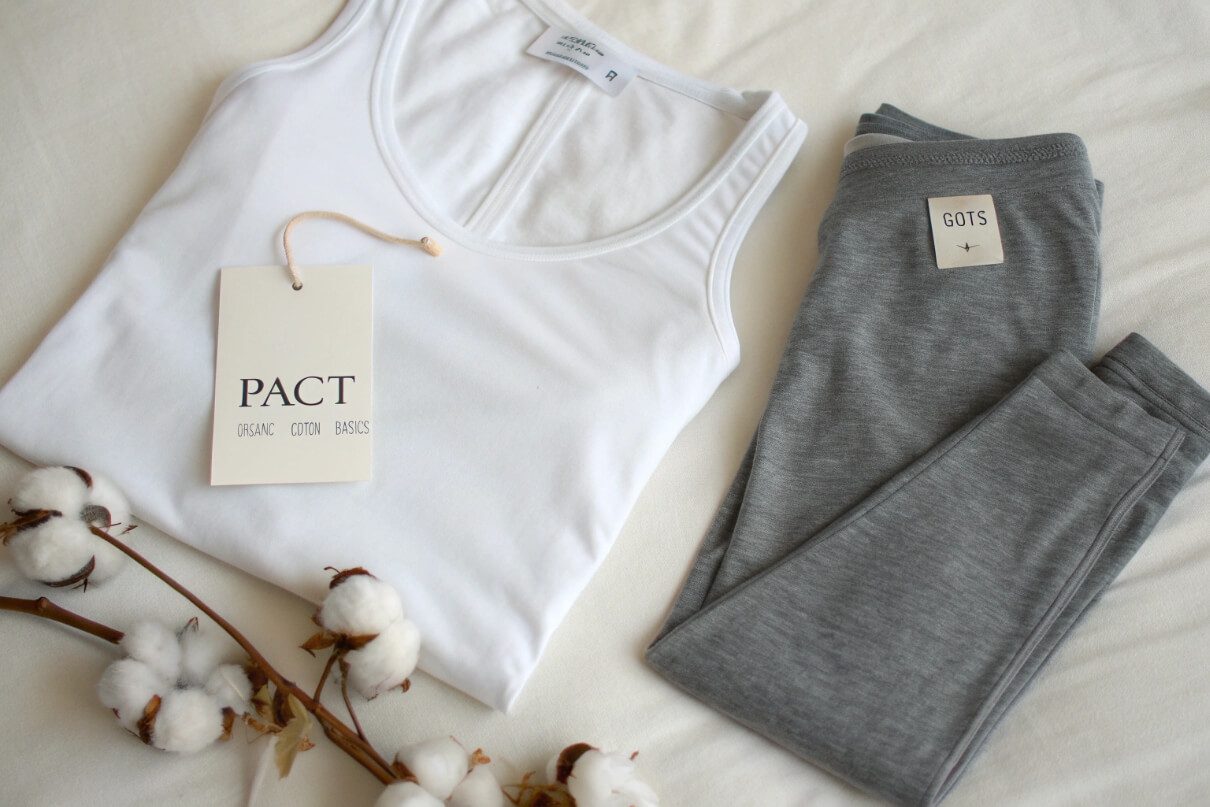
Pact focuses on organic cotton basics that cost less than most sustainable brands while maintaining quality. Their GOTS-certified organic cotton is grown without the use of synthetic pesticides or GMO seeds.
The brand maintains lower prices by selling directly to customers. A basic organic cotton t-shirt costs $20-25, competing with conventional brands while offering better quality. The clothes last longer and feel better than those from traditional companies, costing twice as much.
Fair Trade certification ensures that farmers and factory workers earn a living wage. Organic farming enhances soil health, rather than depleting it with toxic chemicals. The clothes get softer with each wash while maintaining their structure.
5. prAna – Climbing Gear Meets Everyday Wear
By 2025, prAna plans to have all products made entirely from preferred fibers and materials that comply with animal welfare standards, are chemically safe, and are either produced organically or from recycled fibers. Their stretch fabrics blend organic cotton with recycled polyester and spandex for mobility without sacrificing durability.
The clothes resist tears and abrasion better than pure cotton or synthetic alternatives. This matters for activities like climbing, hiking, and CrossFit, where clothes take real abuse. The pants retain their shape and strength after years of hard use.
prAna uses Fair Trade certification and Bluesign-approved fabrics. The bluesign system ensures chemical safety throughout production by eliminating harmful substances before they enter the manufacturing process.

6. Wolven – Bold Prints With Zero Waste
Wolven’s activewear is made from 84% recycled PET, which is derived from recycled plastic bottles. They create vibrant printed activewear using zero-waste production methods. The prints are created by artists who receive fair compensation for their designs.
The made-to-order system reduces overproduction and waste. They print designs as orders come in rather than manufacturing thousands of pieces that might not sell. This eliminates the clearance cycle that encourages overconsumption.
Their recycled materials are certified to the Global Recycled Standard. Oeko-Tex also certified their leggings and sports bras to guarantee they’re free of harmful chemicals. The fabric maintains compression and wicks moisture through hundreds of wash cycles.

7. Tentree – Plant a Tree With Every Purchase
For every sustainable activewear purchase from Tentree, the brand plants ten trees. They’ve planted over 100 million trees since their founding. You receive a code to track your trees and see precisely where they’re grown.
The brand uses organic cotton, recycled polyester, and Tencel in its moisture-wicking activewear. The fabrics handle multiple activities without needing specialized pieces for each workout. This versatility reduces the total number of items you need to own.
Tentree maintains Fair Trade and bluesign certifications. They publish detailed sustainability reports showing environmental impact and worker welfare metrics. The transparency extends to showing how they calculate tree planting numbers.

8. ALO Yoga – Premium Quality That Lasts
ALO Yoga builds premium activewear that justifies its higher price through exceptional durability and performance. Their signature Airlift fabric maintains compression and shape through years of regular use. The material feels substantial without being heavy or restrictive.
The brand employs sustainable practices, including the use of water-based dyes, recycled packaging, and carbon offset shipping. They’ve committed to using more sustainable materials across their entire line by 2025.
ALO’s construction quality surpasses that of most competitors. Flatlock seams prevent chafing. Reinforced gussets add durability in high-stress areas. Four-way stretch moves with you in any direction. These technical details matter when you’re wearing the same leggings three times per week for years.

9. Vuori – Performance Fabric Innovation
Vuori combines technical performance with sustainable practices in activewear that transitions from workouts to daily wear. Their fabrics use recycled and organic materials without compromising comfort or durability.
The DreamKnit fabric blends recycled polyester with organic cotton and eucalyptus. It feels impossibly soft while wicking moisture and maintaining shape. The material works for yoga, running, or casual wear after your workout.
Vuori champions a way of life centered on sustainability, community, and happiness. They maintain Climate Neutral certification by measuring and offsetting their entire carbon footprint. Their durability testing ensures products last for years of regular use.

10. Allbirds – Beyond Shoes Into Activewear
Allbirds expanded from sustainable shoes into activewear using innovative materials. Their Natural Activewear line utilizes eucalyptus tree fiber and merino wool in fabrics that feel softer than traditional synthetic materials.
The brand publishes the carbon footprint of every product. A typical Allbirds t-shirt produces 4.5 kg of carbon emissions compared to 7.5 kg of conventional cotton shirts.
Their TrinoXO fabric combines eucalyptus fiber with chitosan derived from crab shells. This blend naturally resists odors without the need for chemical treatments. You can wear it multiple times between washes without the smell that plagues synthetic activewear.

How to Spot Real Sustainable Activewear From Greenwashing
Marketing claims mean nothing without proof. Brands often use words like “eco-friendly” and “sustainable” without providing substantiation for their claims with evidence. Real sustainable activewear brands publish specific details about materials, factories, and environmental impact.
Check the fabric composition first. Look for specific percentages of recycled or organic materials—many brands label products as “eco” when only a fraction of the fabric is sustainable. A shirt labeled “made with recycled content” might contain only 5% recycled materials. Quality sustainable options use 80% or more of sustainable materials.
Certifications provide independent verification. GOTS ensures that organic materials meet stringent standards throughout the entire production process, from field to finished product. Oeko-Tex ensures fabrics contain no harmful chemicals. Fair Trade means workers earn fair wages in safe and healthy working conditions. B Corporation status requires meeting high standards across all business operations.
These certifications require regular audits and incur ongoing maintenance costs. Brands won’t pursue them unless they’re serious about sustainability. Look for certification logos on product pages and ask companies to provide certification numbers if you’re unsure.
Transparency separates real sustainable brands from greenwashing. Authentic companies publish factory lists that show exactly where they produce their clothes. They share audit results and admit when they fall short of goals. They provide specific environmental impact numbers instead of vague claims.
Check whether brands publish sustainability reports. Real reports contain specific data about carbon emissions, water usage, waste reduction, and worker welfare. They set measurable goals with timelines for improvement. Vague statements about “commitment to sustainability” without numbers or timelines indicate greenwashing.
Price reflects quality and practices. Sustainable activewear costs more because it costs more to produce. Ethical wages, quality materials, and proper certifications can increase expenses, which raises questions about a brand’s sustainability claims when pricing products at fast fashion levels.
Look for repair programs and take-back initiatives. Brands committed to durability offer repairs for damaged items. They accept worn-out clothes for recycling instead of sending them to landfills. These programs require funding to operate, so brands will only offer them if they’re serious about their longevity.
Sustainable Activewear Care: Make Your Workout Clothes Last Years
Washing technique matters more than any other factor for longevity. Wash in cold water, avoid tumble drying, and use a microplastic filter for synthetic fabrics. Hot water breaks down elastic fibers, causing colors to fade. Cold water cleans effectively while preserving the fabric’s integrity.
Turn clothes inside out before washing. This protects the exterior from friction that causes pilling. The fabric rubs against itself instead of against other clothes or the washing machine drum. This simple step can extend life by months or even years.
Skip fabric softener altogether. It coats moisture-wicking fabrics with residue that prevents them from working correctly. Your clothes won’t breathe or dry as quickly. The coating also attracts dirt and bacteria, causing clothes to smell bad more quickly.
Air drying preserves the elastic and fabric structure. Heat from dryers destroys spandex and elastane, causing waistbands to stretch out and compression to fail. Hang clothes to dry or lay them flat to dry. They’ll dry thoroughly in a few hours and last significantly longer.
Wash less frequently when possible. Modern activewear resists odor more effectively than traditional cotton gym clothes. You can often wear items multiple times before washing, unless they are visibly soiled or have a bad smell. Less frequent washing extends the life of fabric, saving water and energy.
Store clothes properly between uses. Fold activewear rather than hanging it to prevent shoulder bumps and fabric stretching. Store items in a cool, dry place, away from direct sunlight, as it fades colors and weakens fibers over time.
Handle minor repairs immediately. Sew up small holes before they grow larger. Replace the broken drawstrings instead of discarding the entire pair of pants. Many sustainable brands offer repair services or detailed instructions for fixing common problems.
Use a Guppyfriend bag or microplastic filter when washing synthetic activewear. These catch microfibers before they enter waterways. While not perfect, they significantly reduce plastic pollution from laundry. The bags cost around $30 and last for years.
The True Cost of Sustainable Activewear vs Cheap Alternatives
The upfront price difference seems big until you calculate the cost per wear. A $90 pair of quality leggings worn 300 times over five years costs 30 cents per wear. A $20 pair worn 50 times over six months costs 40 cents per wear. You’ll buy six or more replacement pairs during those five years, spending $120 or more.
Fast fashion creates hidden costs that are not reflected on price tags. Environmental cleanup from toxic chemical runoff and plastic pollution costs billions annually. These expenses are reflected in taxes, healthcare costs, and a decreased quality of life as ecosystems degrade.
The constant replacement cycle is a waste of time and money. You spend hours shopping for new workout clothes every few months. You deal with inconsistent sizing between purchases. You adjust to different fits and features. You throw away clothes that aren’t worn out, just stretched or pilled beyond acceptable appearance.
High-quality, eco-friendly gear lasts longer, reducing the need for frequent replacements and lowering your overall environmental impact. Sustainable activewear maintains value better than conventional options. You can resell quality pieces through consignment platforms or take-back programs. Fast fashion items typically have no resale value because they often appear worn out after minimal use.
Workout quality improves with better gear. Leggings that stay in place during exercise let you focus on form instead of constantly adjusting your clothes. Fabrics that wick moisture keep you comfortable through intense sessions. Proper compression supports muscles and improves recovery.
Health benefits from chemical-free fabrics add value. Dyes used on polyester are known skin sensitizers, and chemicals from clothing can migrate to the skin even more quickly when it’s tight-fitting and you’re sweating. Sustainable activewear utilizes natural dyes and avoids the use of harmful chemicals. Your skin doesn’t absorb toxins during workouts.
Worker welfare matters even if you never meet the people who made your clothes. Buying from brands that pay fair wages and maintain safe conditions supports human dignity. Cheap activewear often comes from factories where workers face hazardous conditions and low pay.
The environmental impact affects everyone. Choosing sustainable activewear reduces plastic pollution, chemical contamination, and carbon emissions. These aren’t abstract concepts. They affect water quality, food safety, and climate stability in ways that impact your daily life.


